
.jpeg)
Clofazimine dosage and dosage
Clofazimine (Clofazimine) is an antibacterial drug mainly used to treat leprosy and drug-resistant tuberculosis. Its unique mechanism of action makes it play an important role in the treatment of these diseases. The following is a detailed introduction to the administration and dosage of clofazimine.
1. Overview of drugs
Drug name: Clofazimine (Clofazimine)
Dosage form: capsule
Specification:100mg
2. Indications
Clofazimine is mainly used to treat the following two diseases:
1.Leprosy (Hansen's disease):
Mainly used to treat neoplastic leprosy and leprosy reactions (ENL).
It is often used in combination with other anti-leprosy drugs (such as rifampicin and dapsone) to avoid the development of drug resistance.
2.Drug-resistant tuberculosis (MDR-TB and XDR-TB):
For the treatment of tuberculosis that is resistant to traditional anti-tuberculosis drugs.
Often used as part of a multidrug regimen to enhance efficacy.
3. Usage and dosage
1.Leprosy treatment:
Adults: The recommended dose is 100 mg once daily. Used in combination with other antileprosy drugs such as rifampicin and dapsone. During a leprosy reaction, the dose may need to be increased to 200-300 mg daily until symptoms resolve, then gradually reduced to 100 mg daily.
Children: Dose should be adjusted based on body weight, usually 1-2 mg/kg daily but not exceeding the adult dose. Consult a doctor before use to ensure safety and effectiveness.
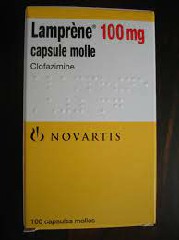
2.Treatment of drug-resistant tuberculosis:
Adults: The recommended dose is 100 mg once daily as part of a multidrug regimen. The specific medication regimen should be adjusted based on the doctor's recommendations and the patient's specific condition.
Children: Dosage should be adjusted based on body weight and condition, usually 1-2 mg/kg daily. Consult a doctor before use to ensure safety and effectiveness.
4. How to take medicine
Clofazimine should be taken with food to increase absorption and reduce gastrointestinal discomfort. Capsules should be swallowed whole and not chewed or crushed.
1.Take with food: Food can enhance the absorption of clofazimine and reduce gastrointestinal discomfort. Therefore, it is recommended to take it with breakfast or dinner. If symptoms of gastrointestinal discomfort occur, such as nausea or abdominal pain, you can try to adjust the medication time to the main meal to further reduce discomfort.
2.Swallow the capsule whole: The capsule should be swallowed whole and not chewed or crushed to ensure effective release and absorption of the drug in the intestine. For patients who have difficulty swallowing capsules, they can consult their doctor to see if there are other suitable ways of taking them.
5. Things to note
1.Skin pigmentation: A common side effect of clofazimine is pigmentation of the skin and other tissues, resulting in darkening of the skin. Usually resolves gradually over months to years after discontinuation of medication.
2.Gastrointestinal reactions: May cause gastrointestinal discomfort, such as nausea, vomiting, abdominal pain and diarrhea. It is recommended to take it with food to reduce discomfort.
3.Eye pigmentation: Long-term use may cause pigmentation of the conjunctiva and cornea of the eyes. Regular eye examinations are necessary.
4.Other adverse reactions: dry skin, itching, photosensitivity reaction, headache and abnormal liver function. If serious adverse reactions occur, stop taking the drug immediately and consult a doctor.
5.Regular examinations: Patients who use clofazimine for a long time should have regular blood, liver function and eye examinations to monitor the side effects of the drug and physical condition.
6. Drug interactions
Clofazimine may interact with other medications, affecting their efficacy or increasing the risk of side effects. Here are some common interactions:
1.Rifampicin and dapsone: Use in combination with these drugs is the standard treatment for leprosy, but care should be taken to monitor for drug interactions and side effects.
2.Anti-tuberculosis drugs: When used in combination with other anti-tuberculosis drugs, liver function and blood indicators need to be monitored.
3.Antacids: may affect the absorption of clofazimine, it is recommended to take them at least 2 hours apart.
7. Storage
Clofazimine should be stored in a cool, dry place away from direct sunlight.
Keep out of reach of children.
8. Medication for Special Populations
1.Children's medication: When using clofazimine in children, the dose needs to be adjusted according to body weight and used under the guidance of a doctor. Monitor growth and side effects regularly.
2.Drug use in the elderly: Elderly patients may have increased sensitivity to drugs due to decreased physiological functions. Liver and renal function should be assessed before use and monitored closely during treatment.
3.Usage in pregnant and lactating women: The safety of clofazimine in pregnant and lactating women has not been fully established. Use is only recommended when the potential benefits outweigh the risks, and only under the guidance of a physician.
[ 免责声明 ] 本页面内容来自公开渠道(如FDA官网、Drugs官网、原研药厂官网等),仅供持有医疗专业资质的人员用于医学药学研究参考,不构成任何治疗建议或药品推荐。所涉药品可能未在中国大陆获批上市,不适用于中国境内销售和使用。如需治疗,请咨询正规医疗机构。本站不提供药品销售或代购服务。


