
.jpeg)
Differences between Valganciclovir/Valganciclovir and Ganciclovir
Valganciclovir and Ganciclovir are two antiviral drugs that can prevent and treat two types of viral infections that may occur in transplant patients: cytomegalovirus (CMV) and Epstein-Barr virus (EBV). They have slightly different chemical structures, but there are also some differences in mechanisms of action, indications, side effects, etc.
1. Drug properties: Valganciclovir is the valyl ester prodrug of ganciclovir, which means that valganciclovir will be converted into ganciclovir after metabolism in the body. This prodrug was designed to improve certain pharmacokinetic properties of ganciclovir, such as increasing oral bioavailability. Specifically, the oral bioavailability of valganciclovir is as high as 60%, which is 10 times that of ganciclovir, making valganciclovir more effective when administered orally.
2. Mechanism of action: Valganciclovir and ganciclovir have the same pharmacodynamic characteristics. They both exert antiviral effects by inhibiting the replication of viral DNA. After oral administration, valganciclovir is rapidly hydrolyzed into ganciclovir under the action of intestinal mucosal cell esterase and hepatic esterase. Ganciclovir generates ganciclovir triphosphate under the phosphorylation of intraviral and intracellular enzymes, which competes with deoxyguanosine triphosphate as a substrate for viral DNA polymerase, thereby inhibiting the synthesis of viral DNA. In in vitro experiments, ganciclovir was 26 times more potent than acyclovir against cytomegalovirus (CMV), showing strong antiviral activity.
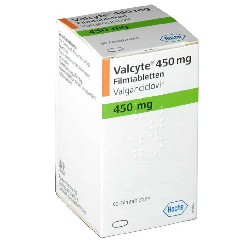
3. Clinical application: Both valganciclovir and ganciclovir are mainly used to prevent and treat severe cytomegalovirus infections, such as AIDS patients, tumor patients undergoing chemotherapy, and patients in need of organ transplantation. However, due to its high oral bioavailability and more convenient oral administration, valganciclovir has gradually replaced ganciclovir in clinical applications.
4. Usage: Valganciclovir can be made into tablets or liquid; Ganciclovir is a liquid prepared in a syringe by the hospital pharmacy, and it will be prepared in an intravenous bag. In the treatment of cytomegalovirus retinitis or systemic infection, the recommended adult dose of valganciclovir is 900 mg orally daily, with the dosage and frequency of valganciclovir being more complex, with injections every 12 hours for the first two weeks after transplantation. Then, give it once a day for the next 10 weeks to get the best chance of preventing CMV or EBV.
5. Side effects: The side effects of valganciclovir and ganciclovir are similar, including headache, dizziness, confusion, fever, bone marrow suppression, and rash. However, because valganciclovir is a prodrug of ganciclovir, some additional metabolites may be produced during its metabolism, and these metabolites may increase the risk of certain side effects. In addition, the interaction of valganciclovir with certain drugs may also lead to an increase in adverse reactions.
There are some differences between valganciclovir and ganciclovir in terms of drug properties, mechanism of action, clinical application, and side effects. As the prodrug of ganciclovir, valganciclovir has certain advantages in terms of oral bioavailability, mode of administration, and clinical application. However, when using valganciclovir, you also need to pay attention to its possible production of additional metabolites and interactions with other drugs.
[ 免责声明 ] 本页面内容来自公开渠道(如FDA官网、Drugs官网、原研药厂官网等),仅供持有医疗专业资质的人员用于医学药学研究参考,不构成任何治疗建议或药品推荐。所涉药品可能未在中国大陆获批上市,不适用于中国境内销售和使用。如需治疗,请咨询正规医疗机构。本站不提供药品销售或代购服务。


