
.jpeg)
What is the efficacy and role of crizotinib?
Crizotinib has significant anti-tumor efficacy and mainly acts on specific cancer types, providing patients with new treatment options. Its efficacy and role are mainly reflected in the inhibition and killing of malignant tumor cells, especially for certain types of lung cancer.
Crizotinib is mainly used to treat anaplastic lymphoma kinase (ALK)-positive locally advanced or metastatic non-small cell lung cancer (NSCLC). For this type of lung cancer, crizotinib can precisely inhibit the activity of ALK kinase, thereby effectively preventing the proliferation and spread of tumor cells. The discovery is a boon to patients with this type of lung cancer, who previously had relatively limited treatment options.
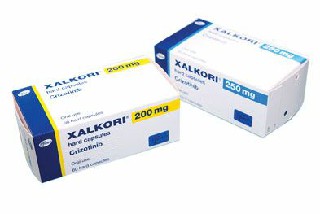
In addition, crizotinib has also shown good therapeutic effects onROS1-positive advanced non-small cell lung cancer. ROS1 is another genetic mutation common in non-small cell lung cancer, and crizotinib helps control the progression of the disease by inhibiting the activity of this mutation.
Of note, crizotinib can also be used to treat medullary thyroid cancer, a more malignant form of thyroid tumor. By inhibiting the activity of epidermal growth factor receptors, crizotinib helps slow the progression of this cancer.
However, crizotinib is not a panacea and may cause some side effects during use, such as diarrhea, nausea, vomiting, etc. Therefore, when using crizotinib, it must be done under the guidance of a doctor to ensure the effectiveness and safety of the drug.
Overall, crizotinib is a drug with significant anti-tumor efficacy and provides a new treatment option for patients with specific types of lung cancer and medullary thyroid cancer. Its unique mechanism and significant efficacy make crizotinib occupy an important position in modern medicine.
[ 免责声明 ] 本页面内容来自公开渠道(如FDA官网、Drugs官网、原研药厂官网等),仅供持有医疗专业资质的人员用于医学药学研究参考,不构成任何治疗建议或药品推荐。所涉药品可能未在中国大陆获批上市,不适用于中国境内销售和使用。如需治疗,请咨询正规医疗机构。本站不提供药品销售或代购服务。


