
.jpeg)
After resistance to Velcade develops, can it be treated with ixazomib?
After resistance to Velcade (bortezomib) occurs, whether it can be treated with ixazomib is a question that needs to be comprehensively considered based on the patient's specific situation.
Ixazomib is a reversible proteasome inhibitor that can induce apoptosis in multiple myeloma cell lines and has a cytotoxic effect on myeloma cells that relapse after treatment with multiple drugs. It is approved in combination with lenalidomide and dexamethasone to treat adult patients with multiple myeloma who have received at least one prior therapy.
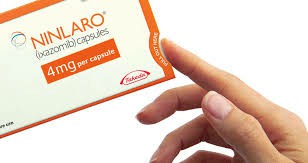
When resistance to Velcade (bortezomib) develops, patients really need to find new treatment options to control the disease. As a proteasome inhibitor with a different mechanism of action than Velcade, ixazomib may become one of the treatment options.
The patient's specific circumstances include the patient's physical condition, severity of illness, potential reaction to ixazomib, etc. Physicians need to conduct a thorough patient evaluation to determine whether ixazomib is appropriate as a new treatment option. Ixazomib may interact with other medications and may have contraindications in some patients. Doctors need to know their patients' medication history to avoid potential drug risks.
In actual clinical practice, studies have shown that ixazomib has a certain efficacy in patients with multiple myeloma who are resistant to Velcade. For example, some multicenter real-world studies and retrospective studies have suggested that bortezomib-refractory patients can benefit from ixazomib combined with lenalidomide and dexamethasone (IRd) regimen. However, the results of these studies may vary depending on factors such as patient population, treatment regimen, and follow-up time.
[ 免责声明 ] 本页面内容来自公开渠道(如FDA官网、Drugs官网、原研药厂官网等),仅供持有医疗专业资质的人员用于医学药学研究参考,不构成任何治疗建议或药品推荐。所涉药品可能未在中国大陆获批上市,不适用于中国境内销售和使用。如需治疗,请咨询正规医疗机构。本站不提供药品销售或代购服务。


