
.jpeg)
How effective is dasatinib in treating ETO negative conversion?
Acute myeloid leukemia (AML) is a highly heterogeneous hematologic malignancy characterized by abnormal proliferation of immature myeloid cells in the bone marrow and blood. ETO2fusion gene is a specific genetic abnormality in AML and is closely related to the occurrence, development and prognosis of the disease. Therapeutic strategies targeting this fusion gene, including the targeted therapy drug dasatinib, are gradually becoming a research hotspot.
Dasatinib is a multi-target tyrosine kinase inhibitor that mainly acts onBCR-ABL fusion protein, but also inhibits various other tyrosine kinases. In AML, especially ETO2positive AML, dasatinib may exert a therapeutic effect by inhibiting the signaling pathway related to ETO2. However, its specific mechanism of action in ETO2 negative conversion is not completely clear, and further research is needed to clarify it.
Currently, clinical trial data on dasatinib treatmentETO2 negative conversion are relatively limited. Some small studies and case reports suggest that dasatinib may have certain therapeutic effects in some patients with ETO2-positive AML, including inducing disease remission and achieving ETO2-negative conversion. However, these results are not consistent and are affected by multiple factors, such as patient characteristics, disease stage, treatment regimen, etc.
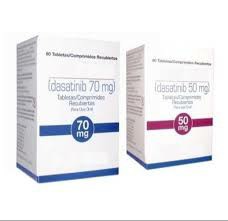
Given the complexity and heterogeneity ofAML, combination therapy has become an important means to improve the therapeutic effect. Some studies have explored the combined use of dasatinib with other chemotherapy drugs or targeted therapy drugs in order to achieve better efficacy in ETO2 negative conversion. The results of these studies indicate that combination therapy may help enhance the therapeutic effect of dasatinib and improve the ETO2 negative conversion rate, but the specific regimen and optimization strategy still need to be further explored.
AMLIs a highly personalized disease, and different patients may respond significantly to treatment. Therefore, the patient's specific circumstances, including age, physical condition, disease characteristics, and genetic abnormalities, need to be considered when formulating treatment plans. For ETO2positive AML patients, the development of individualized treatment strategies may help improve the therapeutic effectiveness of dasatinib and achieve a higher ETO2 negative conversion rate.
Like many targeted therapies, dasatinib may face resistance problems during its use. Some patients may develop primary or acquired resistance to dasatinib, resulting in poor treatment efficacy or disease recurrence. Therefore, studying the mechanisms of dasatinib resistance and developing new treatment strategies to overcome resistance are key to improving its clinical effectiveness.
In order to better understand the role of dasatinib in ETO2 negative conversion, more in-depth research on its specific mechanism of action is needed. This includes exploring how dasatinib affects signaling pathways related to ETO2 and how it interacts with other intracellular molecules. These studies will help discover new therapeutic targets and provide a theoretical basis for the development of more effective treatment strategies.
To more accurately assess the clinical effectiveness of dasatinib in ETO2 conversion, the design and execution of clinical trials need to be optimized. This includes selecting appropriate patient groups, formulating reasonable treatment plans, setting up appropriate control groups, and using sensitive biological markers to monitor treatment effects. Through these optimization measures, the therapeutic effect of dasatinib can be more effectively evaluated and provide a more reliable basis for clinical practice.
[ 免责声明 ] 本页面内容来自公开渠道(如FDA官网、Drugs官网、原研药厂官网等),仅供持有医疗专业资质的人员用于医学药学研究参考,不构成任何治疗建议或药品推荐。所涉药品可能未在中国大陆获批上市,不适用于中国境内销售和使用。如需治疗,请咨询正规医疗机构。本站不提供药品销售或代购服务。


