
.jpeg)
What diseases does crizotinib treat and how effective it is?
Crizotinib is a breakthrough targeted therapy drug mainly used to treat non-small cell lung cancer, especially patients with anaplastic lymphoma kinase (ALK) gene fusion. This drug belongs to the first generation of targeted drugs for the treatment of lung cancer. Its efficacy is remarkable and it brings new treatment hope to lung cancer patients.
Crizotinib can precisely inhibit the activity of ALK kinase, a kinase that is abnormally active in certain lung cancer cells. By inhibiting the activity of this kinase, crizotinib can effectively prevent the unlimited proliferation and metastasis of cancer cells, thereby reducing the risk of patient recurrence and metastasis. The discovery is considered a major advance in lung cancer treatment, as it provides a more precise and personalized approach to treatment.
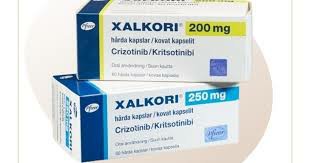
In addition to its significant efficacy againstALK-positive lung cancer, crizotinib also shows potential in the treatment of ROS1-positive advanced non-small cell lung cancer. This makes crizotinib a widely applicable lung cancer treatment drug.
However, it is worth noting that although crizotinib is effective, it is not suitable for all patients with lung cancer. Before using crizotinib, patients must undergo genetic testing to confirm whether there is a mutation in the ALK or ROS1 gene. This step is critical because crizotinib is primarily effective in patients with these specific genetic mutations.
In general, crizotinib is a targeted therapy for lung cancer with significant efficacy, providing a new treatment option for patients with non-small cell lung cancer with ALK or ROS1 gene mutations. Its precise treatment mechanism and good clinical effect make crizotinib occupy an important position in the field of lung cancer treatment.
[ 免责声明 ] 本页面内容来自公开渠道(如FDA官网、Drugs官网、原研药厂官网等),仅供持有医疗专业资质的人员用于医学药学研究参考,不构成任何治疗建议或药品推荐。所涉药品可能未在中国大陆获批上市,不适用于中国境内销售和使用。如需治疗,请咨询正规医疗机构。本站不提供药品销售或代购服务。


