
.jpeg)
What diseases is clofazimine effective in treating?
Clofazimine (Clofazimine), as a drug with unique antibacterial activity, is widely used in the medical field to treat leprosy and drug-resistant tuberculosis, showing significant therapeutic effects. Below is an in-depth look at the conditions clofazimine treats and its effectiveness.
The main application of clofazimine is in the treatment of leprosy, a chronic infectious disease caused by Mycobacterium leprae. This bacterium mainly attacks the skin, peripheral nerves, upper respiratory tract and eyes. Clofazimine effectively inhibits the growth and reproduction of leprosy bacteria by interfering with the bacterial cell membrane and lipid metabolism. In the treatment of leprosy, it is often used in combination with rifampicin and dapsone to avoid the development of drug resistance and significantly reduce leprosy reactions and skin damage.
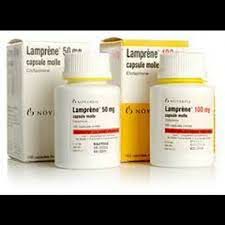
In addition to leprosy, clofazimine also plays an important role in the treatment of multidrug-resistant tuberculosis (MDR-TB) and extensively drug-resistant tuberculosis (XDR-TB). These two types of tuberculosis have become resistant to traditional first-line anti-tuberculosis drugs, making treatment more difficult. The addition of clofazimine provides a new option for treatment. Its antibacterial effect can effectively inhibit the growth of tuberculosis bacteria, thereby controlling infection and improving the cure rate.
In addition, clofazimine also shows potential application value in the field of dermatology treatment. Studies have shown that it has some efficacy in treating certain skin diseases, such as chronic skin infections and idiopathic necrotizing dermatoses. However, these uses require more clinical research and validation.
Although clofazimine is excellent in treating the above diseases, its use is also associated with certain side effects. The most common side effect is pigmentation of the skin and eyes, causing the skin to become darker. In addition, patients may experience gastrointestinal discomfort, abnormal liver function, dry skin, and itching. Therefore, when using clofazimine, patients need to do it under the guidance of a doctor to ensure the safety and effectiveness of the treatment. Doctors will closely monitor the patient's response and adjust the treatment plan according to the condition to ensure the best treatment effect.
[ 免责声明 ] 本页面内容来自公开渠道(如FDA官网、Drugs官网、原研药厂官网等),仅供持有医疗专业资质的人员用于医学药学研究参考,不构成任何治疗建议或药品推荐。所涉药品可能未在中国大陆获批上市,不适用于中国境内销售和使用。如需治疗,请咨询正规医疗机构。本站不提供药品销售或代购服务。


