
.jpeg)
How long can one live after acute lymphoblastic leukemia is cured by dasatinib?
As a targeted drug, dasatinib is mainly used to treat a variety of hematological tumors including Philadelphia chromosome-positive acute lymphoblastic leukemia (Ph+ ALL). The initial severity of a patient's condition directly affects their prognosis. Patients with milder disease tend to survive longer with treatment.
Patients who are diagnosed and treated early tend to live longer than those who are treated later.
Treatment plan: In addition to dasatinib, whether it is combined with other treatments (such as chemotherapy, biological immunotherapy, hematopoietic stem cell transplantation, etc.) will also affect the patient's survival.
Different patients have different responses and tolerances to drugs, which also affects treatment efficacy and survival. The patient's follow-up, reexamination and lifestyle adjustments after treatment are all important factors affecting long-term survival.
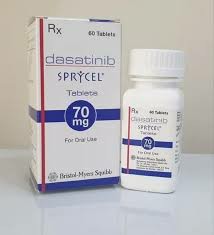
Dasatinib, as a second-generation ABL tyrosine kinase inhibitor, has a certain therapeutic effect on Ph+ ALL patients. The drug can help patients relieve their condition early and buy more time for hematopoietic stem cell transplantation, thereby improving prognosis. However, dasatinib does not guarantee a complete cure for acute lymphoblastic leukemia and may cause anemia, abnormal liver function, pleural effusion, rash and other adverse reactions.
On the premise of good medication, some Ph+ ALL patients may survive for more than 10 years after receiving dasatinib treatment. But please note that this is only a possibility and not all patients will achieve this survival period. In fact, due to the above-mentioned multiple influencing factors, the specific survival period of patients will vary depending on individual differences.
[ 免责声明 ] 本页面内容来自公开渠道(如FDA官网、Drugs官网、原研药厂官网等),仅供持有医疗专业资质的人员用于医学药学研究参考,不构成任何治疗建议或药品推荐。所涉药品可能未在中国大陆获批上市,不适用于中国境内销售和使用。如需治疗,请咨询正规医疗机构。本站不提供药品销售或代购服务。


