
.jpeg)
How long does it take to develop resistance to dacomitinib?
Dacomitinib (Dacomitinib) is a targeted therapy used to treat epidermal growth factor receptor (EGFR) mutation-positive non-small cell lung cancer (NSCLC). However, like many targeted therapies, resistance to dacomitinib can develop over time. The timing of the emergence of drug resistance varies between individuals and usually occurs over the course of months to years of treatment.
Generally, the median progression-free survival time (PFS) of patients receiving dacomitinib treatment is about 12-15 months. This means that approximately half of patients may develop drug resistance during this time period. However, this is just an average and will vary from person to person. Some patients may develop resistance within months, while others may develop resistance after a year or more of treatment.
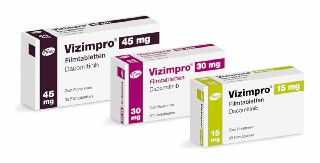
The development of drug resistance is mainly divided into two types: primary resistance and acquired resistance. Primary resistance refers to a patient being insensitive to dacomitinib from the beginning, possibly due to the presence of other genetic mutations in tumor cells or the activation of alternative signaling pathways. Acquired drug resistance occurs after a period of treatment, usually due to new genetic mutations in tumor cells, such as secondary mutations of EGFR (such as T790M mutations) or other related genes (such as MET, HER2, etc.) are mutated or amplified, allowing tumor cells to escape the inhibition of dacomitinib (dacomitinib).
In order to deal with the emergence of drug resistance, a variety of strategies are used clinically. The first is regular monitoring. Through imaging examinations and biomarker testing, signs of drug resistance can be detected early and treatment plans can be adjusted in a timely manner. Secondly, drug combination strategies have also been suggested, in which dacomitinib (dacomitinib) is used in combination with other drugs, which may delay the emergence of drug resistance. Finally, for patients who have developed drug resistance, doctors will choose other targeted drugs or chemotherapy regimens for treatment based on the specific resistance mechanism. For example, for patients with the T790M mutation, third-generation EGFR inhibitors such as Osimertinib can be considered.
[ 免责声明 ] 本页面内容来自公开渠道(如FDA官网、Drugs官网、原研药厂官网等),仅供持有医疗专业资质的人员用于医学药学研究参考,不构成任何治疗建议或药品推荐。所涉药品可能未在中国大陆获批上市,不适用于中国境内销售和使用。如需治疗,请咨询正规医疗机构。本站不提供药品销售或代购服务。


