
.jpeg)
Is trametinib combined with PD1 good for treating melanoma?
Trametinib is a MEK inhibitor. Trametinib mainly blocks the proliferation and spread of tumor cells by inhibiting the MEK signaling pathway. In melanoma, NRAS mutations are common oncogenic drivers, and trametinib can affect the MAPK pathway (which includes RAS, key proteins such as pan>RAF, MEK and ERK) to inhibit the growth of NRAS mutant cells.
PD-1 inhibitors relieve the inhibitory effect on T cells in the tumor microenvironment by blocking the interaction between PD-1 and its ligand PD-L1, thereby restoring the body's anti-tumor immune response. In the treatment of melanoma, PD-1 inhibitors have shown significant efficacy.
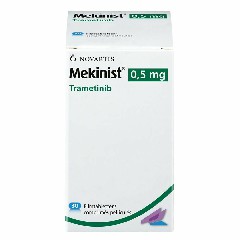
Clinical studies have shown that for melanoma patients with NRAS mutations, the efficacy of a single PD-1 inhibitor is relatively low. However, when trametinib is combined with a PD-1 inhibitor, the efficacy can be improved to a certain extent. For example, there are case reports showing that trametinib combined withPD-1antibody treatmentNRAS Q61KA patient with advanced melanoma of unknown primary site achieved partial response (PR), and the progression-free survival (PFS) reached 13 months.
Although there are no specific inhibitors specifically targeting NRAS mutated melanoma on the market globally, MEKInhibitors such as trametinib have been shown to inhibit tumors with NRAS mutations in multiple studies as a potential treatment option.
The efficacy of trametinib combined with PD-1 in the treatment of melanoma varies among individuals. Some patients may respond well to this treatment combination, while some patients may have limited efficacy. When evaluating efficacy, factors such as the patient's genetic mutation type, tumor stage, previous treatment history, and physical condition need to be considered.
Trametinib combined with PD-1 is relatively safe in the treatment of melanoma, but patients may still experience some adverse reactions, such as rash, diarrhea, hypertension, etc. These adverse reactions can usually be alleviated by adjusting the dose or giving symptomatic treatment.
During the treatment process, the patient's physical condition and adverse reactions need to be closely monitored, and the treatment plan adjusted according to the actual situation.
[ 免责声明 ] 本页面内容来自公开渠道(如FDA官网、Drugs官网、原研药厂官网等),仅供持有医疗专业资质的人员用于医学药学研究参考,不构成任何治疗建议或药品推荐。所涉药品可能未在中国大陆获批上市,不适用于中国境内销售和使用。如需治疗,请咨询正规医疗机构。本站不提供药品销售或代购服务。


