
.jpeg)
Dacomitinib (Dacomitinib) Detailed explanation of usage, dosage and correct medication method
Dacomitinib (Dacomitinib), as a targeted therapy for epidermal growth factor receptor (EGFR) mutation-positive non-small cell lung cancer (NSCLC), is gradually showing its unique efficacy in clinical application. To help patients and healthcare professionals better understand and manage this medication, the usage, dosage, and administration of dacomitinib (dacomitinib) are discussed in detail below.
Drug Overview
Dacomitinib is a representative drug of the second generation epidermal growth factor receptor tyrosine kinase inhibitor (EGFR-TKI ). It mainly achieves the therapeutic effect of inhibiting tumor growth by inhibiting receptor activation and cell proliferation in the EGFR signaling pathway.
Usage and dosage
1.Recommended dose: Based on clinical trials and treatment guidelines, the recommended dose of dacomitinib (dacomitinib) is taken orally once daily, usually 45mg (mg). It is important to note, however, that dosage may be adjusted based on the patient's specific condition and tolerance. Doctors will determine the most appropriate individualized dose based on the patient's age, weight, liver and kidney function, and other health conditions.
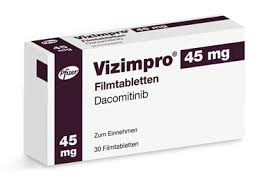
2.Dosing time:Dacomitinib (dacomitinib) has a relatively flexible dosing time and can be taken on an empty stomach or after meals. In order to ensure stable blood concentration of the drug and optimal therapeutic effect, it is generally recommended that patients take the drug at the same time every day. If patients experience gastrointestinal discomfort, such as nausea or heartburn, on an empty stomach, they can choose to take it after meals to reduce the occurrence of these adverse reactions.
3.How to take the drug: Patients should take dacomitinib as a whole tablet and swallow it thoroughly with a large glass of water. It is not recommended to chew, break or dissolve the tablets to ensure sustained release and stable absorption of the drug in the gastrointestinal tract for optimal therapeutic effect.
4.Take medication as directed by your doctor: Patients should strictly follow the doctor's medication instructions and recommendations, and do not adjust the dosage or stop the medication on their own unless under the guidance of a doctor. Following your doctor's instructions is key to ensuring treatment effectiveness and minimizing side effects.
Precautions for Medication
1.Interactions with Food and Other Drugs:Dacomitinib may interact with other drugs, so patients need to inform their doctor about all medications they are taking, including prescription drugs, over-the-counter drugs, and supplements. Certain drugs may affect the metabolism of dacomitinib (dacomitinib), causing side effects or weakening the drug's efficacy, so a doctor's guidance is crucial during medication.
2.Prevention and management of side effects: During treatment, patients may experience some common side effects, such as dry skin, itching, gastrointestinal discomfort, fatigue, etc. Regularly monitoring the occurrence and severity of side effects and promptly reporting them to the doctor so that the doctor can take appropriate countermeasures and supportive treatment are the keys to managing side effects.
3.Regular monitoring and evaluation: Patients need to undergo regular clinical evaluation, laboratory examinations and imaging examinations during treatment to monitor tumor response and the safety of treatment. These tests not only help doctors adjust treatment plans and dosages, but also ensure effective treatment with dacomitinib (dacomitinib).
4.Maintenance of quality of life: Duringdacomitinib treatment, patients should pay attention to maintaining a good lifestyle, including a proper diet, adequate rest and moderate physical activity. These measures can help improve the effectiveness of treatment and reduce the impact of side effects, thereby improving patients' quality of life.
In summary,Dacomitinib (Dacomitinib) , as a targeted therapy, has shown significant efficacy in the treatment of EGFR mutation-positive non-small cell lung cancer patients. Correct medication method and reasonable dosage selection are crucial to ensure therapeutic effect and reduce side effects. Patients should closely follow the doctor's medication instructions, promptly report any symptoms of discomfort, and maintain good communication with the medical team to obtain the best treatment results and quality of life.
[ 免责声明 ] 本页面内容来自公开渠道(如FDA官网、Drugs官网、原研药厂官网等),仅供持有医疗专业资质的人员用于医学药学研究参考,不构成任何治疗建议或药品推荐。所涉药品可能未在中国大陆获批上市,不适用于中国境内销售和使用。如需治疗,请咨询正规医疗机构。本站不提供药品销售或代购服务。


