
.jpeg)
What does Platinib treat?
Platinib, as a targeted therapy drug, specifically targets patients carryingRET gene fusion, providing them with a new treatment option. Platinib's main therapeutic areas focus on tumors driven by RET gene abnormalities such as non-small cell lung cancer and thyroid cancer. In these cancer types, fusions or mutations in the RET gene promote tumor growth and spread. By precisely inhibiting these abnormal RET signals, Platinib can inhibit tumor growth and even promote tumor shrinkage.
In addition to directly targeting RET gene abnormalities, platinib has also demonstrated good safety and tolerability, which means that patients may experience fewer side effects when receiving treatment compared with traditional chemotherapy, thus improving treatment compliance and quality of life.
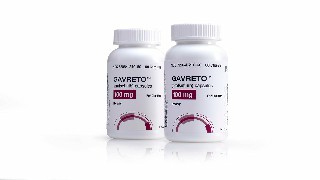
It is worth mentioning that platinib not only has a therapeutic effect on already formed tumors, but also shows the ability to prevent further tumor progression and metastasis to a certain extent. This is due to its ability to penetrate deep into the cellular level and interfere with the signal transduction of tumor cells, thereby inhibiting their further growth and spread.
However, although platinib has shown significant results in treating cancers with RET gene abnormalities, it is not suitable for all types of cancer. Before use, patients need to undergo genetic testing to confirm whether there is RET gene fusion or mutation to ensure the effectiveness and pertinence of the treatment.
In general, Platinib is a targeted therapy drug tailored for cancer patients carryingRET gene fusions or mutations. Its emergence not only brings new treatment hope to patients, but also marks the development of cancer treatment in a more precise and individualized direction. As future research progresses, we expect platinib to play a greater role in the treatment of more cancers.
[ 免责声明 ] 本页面内容来自公开渠道(如FDA官网、Drugs官网、原研药厂官网等),仅供持有医疗专业资质的人员用于医学药学研究参考,不构成任何治疗建议或药品推荐。所涉药品可能未在中国大陆获批上市,不适用于中国境内销售和使用。如需治疗,请咨询正规医疗机构。本站不提供药品销售或代购服务。


