
.jpeg)
What is the effect of brigatinib (brigatinib) combined with cetuximab?
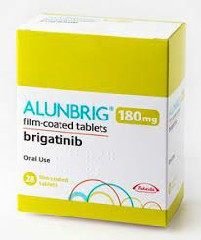
Brigatinib (Brigatinib) is a potent tyrosine kinase inhibitor (TKI) that targets non-small cell lung cancer (NSCLC), especially anaplastic lymphoma kinase (ALK)-positive mutations. Cetuximab (Cetuximab) is a monoclonal antibody mainly used to treat epidermal growth factor receptor (EGFR)-positive cancers, such as head and neck squamous cell carcinoma and colorectal cancer. In recent years, researchers have explored the combination of brigatinib and cetuximab to evaluate the potential of this combination in the treatment of NSCLC.
1.Background of combination therapy
In cancer treatment, multiple drugs are used in combination to improve the therapeutic effect and overcome the problem of drug resistance. Brigatinib and cetuximab each act on cancer cells through different mechanisms. Brigatinib prevents the proliferation and spread of cancer cells by inhibiting tyrosine kinases such as ALK, ROS1 and EGFR. Cetuximab binds to EGFR and blocks activation of the receptor, thereby inhibiting the growth of cancer cells and inducing apoptosis. A treatment approach that combines these two drugs could theoretically provide enhanced antitumor activity, particularly in patients who have developed resistance to single-agent therapy.
2.Preclinical research
In preclinical studies, brigatinib showed promising anti-tumor activity in combination with cetuximab. Some in vitro and in vivo experiments showed that this combination could significantly inhibit the growth of tumor cells and induce a higher proportion of apoptosis. Especially in some cancer cell lines that are resistant to a single ALK inhibitor or an EGFR inhibitor, combination therapy has shown the potential to overcome drug resistance. These findings provide a rationale for the combination of brigatinib and cetuximab and inspire further clinical research.
3.Clinical Research
Several clinical trials are ongoing to evaluate the safety and effectiveness of brigatinib in combination with cetuximab in NSCLC. The main objectives of these trials are to determine optimal dose combinations, assess efficacy, and monitor potential adverse effects.
4.Experimental Design
In these trials, patients are usually divided into groups and receive treatment with brigatinib alone, cetuximab, or a combination of both. Researchers evaluated key efficacy indicators such as tumor response rate, progression-free survival (PFS) and overall survival (OS). In addition, side effects and adverse events during treatment are closely monitored to assess the safety of the combination therapy.
5.Preliminary results
Although most clinical trials are still ongoing, there are some preliminary results showing that combination therapy with brigatinib and cetuximab has good prospects. Some patients showed significant tumor shrinkage, particularly in those cases that were resistant to a single drug. In addition, progression-free survival and overall survival were prolonged with combination therapy.
6.Adverse reactions and safety
As with any combination therapy, the use of brigatinib with cetuximab is associated with potential adverse effects. Common adverse reactions include rash, gastrointestinal discomfort, hypertension, interstitial lung disease (ILD), etc. Since both drugs inhibit EGFR, skin toxicity and gastrointestinal effects are issues that require special attention.
Investigators closely monitor these adverse reactions in clinical trials and take appropriate measures to manage and alleviate patient discomfort. Dose adjustments, drug intervals, and adjuvant therapy are common management strategies to ensure that patients can continue treatment without compromising their quality of life.
Combination therapy with brigatinib and cetuximab inNSCLCespecially shows potential advantages in patients with ALKpositive and EGFRpositive mutations. Although the current study results are encouraging, more clinical trial data are needed to confirm its efficacy and safety. By continuously optimizing treatment options and managing adverse reactions, this combination therapy is expected to provide a new and effective treatment option for NSCLC patients and improve their survival rate and quality of life.
[ 免责声明 ] 本页面内容来自公开渠道(如FDA官网、Drugs官网、原研药厂官网等),仅供持有医疗专业资质的人员用于医学药学研究参考,不构成任何治疗建议或药品推荐。所涉药品可能未在中国大陆获批上市,不适用于中国境内销售和使用。如需治疗,请咨询正规医疗机构。本站不提供药品销售或代购服务。


