
.jpeg)
Is brigatinib a targeted drug or a chemotherapy drug?
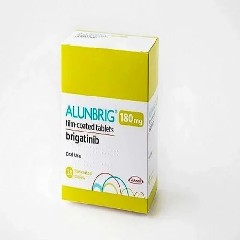
Brigatinib (Brigatinib) is a targeted drug, not a chemotherapy drug. It is specifically used to treat non-small cell lung cancer (NSCLC) that is positive for ALK (anaplastic lymphoma kinase) gene mutations. The mechanism of action of Brigatinib is significantly different from that of traditional chemotherapy drugs. The following is a detailed introduction to the characteristics of Brigatinib as a targeted drug and its difference from chemotherapy drugs.
Brigatinib is a tyrosine kinase inhibitor (TKI). Its main function is to inhibit the growth and spread of cancer cells by targeting specific molecular pathways. Specifically, Brigatinib (Brigatinib) interferes with the abnormal signaling pathways caused by ALK gene mutations by inhibiting the activity of ALKkinase. This targeting allows brigatinib to specifically fight cancer cells with ALK mutations while having relatively little effect on normal cells. Targeted drugs usually have higher therapeutic selectivity and lower systemic toxicity, which can effectively improve the therapeutic effect and reduce side effects.
Compared with targeted drugs, the mechanism of action of chemotherapy drugs is usually not specific. Chemotherapy drugs kill cancer cells by broadly interfering with cell division and proliferation. However, this method can also affect rapidly dividing normal cells, such as bone marrow cells, digestive tract cells, and hair follicle cells, causing many side effects, such as nausea, vomiting, hair loss, and immunosuppression. Chemotherapy drugs are less selective and are generally less selective for cancer cells than targeted drugs.
Brigatinib is a targeted drug that can specifically fight ALK mutation-positive tumor cells, while chemotherapy drugs usually act on all rapidly dividing cells. Targeted drugs such as brigatinib can prevent the growth of cancer cells through specific molecular mechanisms, with relatively higher specificity and lower systemic toxicity. Treatment with brigatinib is usually associated with fewer side effects, and the treatment effects may be longer-lasting.
In clinical applications, brigatinib is used to combat ALK mutation-positive non-small cell lung cancer, particularly in patients who are resistant to first-line treatments such as crizotinib. Compared with traditional chemotherapy drugs, brigatinibThe use of can significantly improve the quality of life and survival of patients because it targets specific molecular pathways of cancer cells and has less impact on normal cells.
[ 免责声明 ] 本页面内容来自公开渠道(如FDA官网、Drugs官网、原研药厂官网等),仅供持有医疗专业资质的人员用于医学药学研究参考,不构成任何治疗建议或药品推荐。所涉药品可能未在中国大陆获批上市,不适用于中国境内销售和使用。如需治疗,请咨询正规医疗机构。本站不提供药品销售或代购服务。


