
.jpeg)
What is the difference between dasatinib and imatinib?
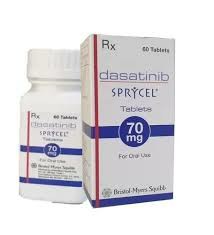
Dasatinib (Dasatinib) and imatinib (Imatinib), as targeted drugs to treat specific types of leukemia, have significant differences in many aspects.
Dasatinib is a multi-target tyrosine kinase inhibitor (TKI) that exerts therapeutic effects by inhibiting the activity of multiple protein kinases. These kinases include Bcr-Abltyrosine kinase, SRCkinase family (such as SRC, LCK,
Imatinib is a first-generation tyrosine kinase inhibitor that mainly inhibits the proliferation of leukemia cells and induces apoptosis by specifically blocking the activities of Bcr-Abl tyrosine kinase and Kit tyrosine kinase. Compared with dasatinib, imatinib has a relatively single target, mainly focusing on Bcr-Abl and Kit kinase. This makes it potentially ineffective in some cases against resistance issues caused by kinase mutations.
Dasatinib is mainly used to treat Philadelphia chromosome-positive (Ph+) chronic myeloid leukemia (CML) patients who are resistant or intolerant to imatinib, including chronic phase, accelerated phase and blast phase. In addition, it is also indicated for adult patients with Philadelphia chromosome-positive acute lymphoblastic leukemia (ALL) who are resistant or intolerant to other therapies.
Due to its multi-target inhibitory effect, dasatinib has shown good efficacy in the treatment of patients with imatinib-resistant CML. It is also being used to explore the possibility of treating other types of leukemia and solid tumors.
Imatinib is widely used to treat patients with Philadelphia chromosome-positive CML, including chronic phase, accelerated phase and blast crisis. In addition, it is used to treat patients with malignant gastrointestinal stromal tumors (GIST) that cannot be surgically removed or have metastasized.
As a representative drug of the first generation TKI, imatinib has achieved remarkable results in the treatment of CML and GIST and has become one of the standard treatments for these diseases. However, as the disease progresses and kinase mutations occur, drug resistance may develop in some patients.
For patients with Ph+chronic phase CML, the recommended starting dose of dasatinib is 100mg/day; for For patients with Ph+accelerated phase and blast phaseCML, the recommended starting dose is 70mg, taken 2 times a day, taken orally in the morning and evening. Dosage adjustments should be based on patient response and tolerance. For oral administration, the tablet should be swallowed whole and should not be crushed or cut.
For CML patients, the recommended dose of imatinib is usually 400mg/day, which can be adjusted to 600mg/day or 800mg/day based on treatment response. For GIST patients, the recommended dose of adjuvant therapy is also 400mg/day. It is also administered orally and needs to be taken on an empty stomach or two hours after a meal to reduce the impact of food on drug absorption.
Common adverse reactions of dasatinib include bone marrow suppression (such as thrombocytopenia, neutropenia and anemia), pleural effusion, diarrhea, headache, nausea, vomiting, etc. In addition, fluid retention, bleeding events, and QT may occur.Serious adverse reactions such as interval prolongation. During use, the patient's hematological parameters, liver function and other indicators need to be closely monitored to detect and deal with adverse reactions in a timely manner.
Common adverse reactions of imatinib include edema, nausea, vomiting, muscle spasm, musculoskeletal pain, rash, fatigue, etc. In addition, it may also cause hematological toxic reactions such as neutropenia, thrombocytopenia and anemia. It is also necessary to regularly monitor changes in the patient's condition and adverse reactions to ensure the safety of the medication.
[ 免责声明 ] 本页面内容来自公开渠道(如FDA官网、Drugs官网、原研药厂官网等),仅供持有医疗专业资质的人员用于医学药学研究参考,不构成任何治疗建议或药品推荐。所涉药品可能未在中国大陆获批上市,不适用于中国境内销售和使用。如需治疗,请咨询正规医疗机构。本站不提供药品销售或代购服务。


