
.jpeg)
Sotorasiib shows promise in treating vascular malformations associated with KRAS G12C mutations: NEJM
A small French study shows the effectiveness of sotoraxib (AMG510) in treating severe KRAS G12C-related arteriovenous malformations. Two adults with this life-threatening disease experienced rapid symptom relief and shrinkage of their arteriovenous malformations after treatment with a KRAS inhibitor. The study stated, "Targeting KRAS G12C appears to be a promising therapeutic approach for the treatment of patients with KRAS G12C-associated vascular malformations.
KRAS gain-of-function mutations are frequently observed in many cancers, and G12C single-nucleotide mutations are particularly common in non-small cell lung cancer (NSCLC). The mechanisms leading to the progression of KRAS-driven malformations remain incompletely understood, and there are currently no approved treatments. Hypothetically, given the above background, since sotoraxib has been shown to be effective in patients with non-small cell lung cancer, it may also be a viable option for patients with vascular malformations with KRAS G12C mutations.
Clinical studies demonstrated the effectiveness of sotorasiib, a specific KRAS G12C inhibitor, in reducing vascular malformation volume and improving survival in two mouse models harboring mosaic Kras G12C mutations.
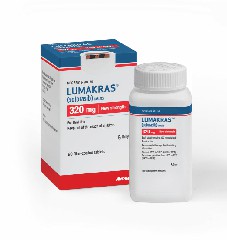
Initially, sotoraxib was shown to reduce the size of vascular malformations and improve survival in two KRAS G12C mutant mouse models. They then treated two people with the disease who had mutations confirmed by lesion biopsies, by taking 960 mg of sotoraxib (eight 120 mg pills) orally every day during breakfast.
The first patient was a 24-year-old man who had a long-standing arteriovenous malformation on his face that resulted in blindness and maxillectomy on the affected side despite repeated failed interventional treatments, including 11 endovascular surgeries. He suffered severe pain, recurrent cellulitis and bleeding requiring opioids and antibiotics. After failing a clinical trial with sirolimus, he was treated with sotoraxib.
Within four weeks, symptoms improved, including less pain, cessation of bleeding, less fatigue, and cosmetic changes. Over three months, the use of opioids and antibiotics was discontinued, and MRI showed continued reduction in malformation volume over24 months without medication side effects.
The second patient is aA 45-year-old woman who, despite 20 surgeries, still has vascular malformations in her mouth and right Eustachian tube. The deformity causes pain, deafness, difficulty swallowing, and speech impairment. Treatment with sotoraxib resulted in rapid improvement, including restoration of hearing, relief of pain, and reduction of facial and jaw infiltrates. Due to mild diarrhea, her dose of sotorasiib was adjusted and no other adverse effects were reported. Imaging at six months showed a 19.8% reduction in vascular infiltration around her vestibulocochlear system.
Overall, both patients experienced a rapid reduction in symptoms and AVM size. This study highlights the importance of genetic testing in identifying vascular malformations for targeted treatment. While these preliminary results are promising, further research is essential to validate them.
[ 免责声明 ] 本页面内容来自公开渠道(如FDA官网、Drugs官网、原研药厂官网等),仅供持有医疗专业资质的人员用于医学药学研究参考,不构成任何治疗建议或药品推荐。所涉药品可能未在中国大陆获批上市,不适用于中国境内销售和使用。如需治疗,请咨询正规医疗机构。本站不提供药品销售或代购服务。


