
.jpeg)
Sotorracib (AMG510) vs. adagrasiib: an in-depth comparison of two KRAS G12C inhibitors
In the treatment field ofKRAS G12C mutant non-small cell lung cancer, sotorasib (AMG510, trade name: Sotorasib) and adagrasiib are two high-profile targeted therapy drugs. Since sotoracib was approved by the U.S. Food and Drug Administration (FDA) in 2021, it has brought new treatment options to patients with advanced non-small cell lung cancer (NSCLC), and also laid the foundation for the development and approval of subsequent drugs such as adagrasiib.
1. Drug positioning and use
Both sotoracib and adagrasib are regarded as potential drugs for the treatment of non-small cell lung cancer, especially non-small cell lung cancer, which accounts for approximately 85% of all lung cancer cases. Both drugs focus on targeted therapies designed to precisely inhibit the activity of the KRAS G12C mutation. This mutation is prevalent in approximately 13% of patients with non-small cell lung cancer. They are primarily used to treat patients with advanced KRAS G12C-mutated non-small cell lung cancer that has spread to other organs and who have typically received at least one round of prior cancer treatment.
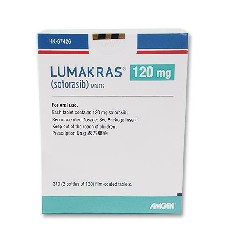
2. Comparison of action mechanisms
Both sotoracib and adagrasiib are covalentKRAS G12C inhibitors that work by binding to and inactivating the KRAS G12C protein. This binding prevents the protein from signaling tumor cells to grow and reproduce. Although both target the same target, they differ in the part of the KRAS G12C protein that they bind to: sotorasiib binds to the cysteine u200bu200bof KRAS G12C, while adagrasiib binds directly to the amino acid. In addition, adagrasib has also shown the ability to penetrate the central nervous system and slow the growth of cancer cells in the brain, while there is currently no data showing that sotorasibu has the same effect.
3. Safety and Side Effect Analysis
In terms of safety, sotorasiib and adagrasiib have many similar side effects, such as gastrointestinal problems (including nausea, diarrhea, or vomiting). Adagarasib may also cause additional symptoms such as intestinal bleeding, colitis, and strictures. Both drugs can cause abnormal liver blood test results and serious side effects, such as treatment-induced hepatitis, jaundice, and changes in urine and stool color. It is worth noting that adagrasiib has a side effect that sotoracib does not have, which is related to changes in cardiac electrical activity (QTc prolongation), which may lead to life-threatening irregular heartbeats in some cases.
4. Price considerations
In terms of price, the actual cost of sotoraxib and adagrasib is affected by a variety of factors, including supplier, location, and insurance coverage. Currently in the market in Hong Kong, China, the original research version of sotorasibu is priced at approximately RMB 80,000 per box (120mg, 240 tablets). The price of each box (200 mg, 180 tablets) of the original American version of adagrasib is approximately more than 100,000 yuan. These prices are subject to change based on exchange rate fluctuations.
[ 免责声明 ] 本页面内容来自公开渠道(如FDA官网、Drugs官网、原研药厂官网等),仅供持有医疗专业资质的人员用于医学药学研究参考,不构成任何治疗建议或药品推荐。所涉药品可能未在中国大陆获批上市,不适用于中国境内销售和使用。如需治疗,请咨询正规医疗机构。本站不提供药品销售或代购服务。


