
.jpeg)
Anamorelin functions and uses
Anamorelin (Anamorelin), as an innovative oral drug, has shown its unique value and potential in the medical field, especially in cancer treatment, in recent years. As a ghrelin receptor agonist, anamorelin brings significant therapeutic benefits to patients with cancer cachexia by mimicking the function of the body's naturally secreted ghrelin.
Anamorelin activates ghrelin receptors, thereby stimulating the patient's appetite. For patients with cancer cachexia, due to the impact of the disease itself and treatment, symptoms such as loss of appetite and anorexia often occur, resulting in insufficient nutritional intake and rapid weight loss. Anamorelin helps patients increase food intake by enhancing appetite, thereby improving nutritional status.
Anamulin not only increases appetite, but also stimulates growth hormone-releasing hormone receptors (GHRH-R) and growth hormone receptors (GH-R). Promote the secretion of growth hormone (GH) and insulin-like growth factor -1 (IGF-1). These hormones play a key role in muscle growth and weight gain. For cancer patients with severe muscle wasting, anamulin can help restore muscle mass and increase weight.
Cancer cachexia not only affects patients' physical health, but also has a serious impact on their psychological and social functions. Anamorelin helps improve patients' overall quality of life by improving appetite, increasing weight and muscle mass, allowing them to better cope with the challenges of disease and treatment.
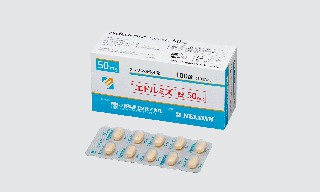
Anamorelin is currently the world's first drug specifically targeted at the treatment of cancer cachexia. It is widely used in the treatment of patients with malignant tumors such as non-small cell lung cancer, gastric cancer, pancreatic cancer, and colorectal cancer. Multiple clinical studies have shown that anamorelin can significantly improve patients' weight, muscle mass and appetite, thereby prolonging patients' survival and improving their quality of life.
Cancer treatments, such as chemotherapy and radiotherapy, are often accompanied by serious side effects, such as nausea, vomiting, and loss of appetite. These symptoms further exacerbate the development of cancer cachexia. Anamorelin enhances patients' tolerance to cancer treatment by improving their nutritional status, allowing patients to better complete their treatment plans.
In comprehensive cancer management, anamorelin is used as a supportive treatment drug, combined with other anti-cancer drugs and nutritional support measures to jointly improve the patient's overall condition. It can not only directly affect the pathophysiological process of cachexia, but also indirectly improve the effect of other anti-cancer treatments by improving the nutritional status of patients.
Although anamorelin has shown significant efficacy in the treatment of cancer cachexia, there are some potential side effects and precautions that need to be noted during use:
1.Common side effects include nausea, vomiting, diarrhea, fatigue, etc. Most side effects are mild to moderate and can be managed by adjusting the drug dose or taking supportive care. In addition, anamorelin may cause an increase in blood sugar, so patients with diabetes need to be particularly careful when using it and may need to adjust the dosage of their antidiabetic medications.
2.For patients with underlying diseases such as heart disease and liver damage, anamorelin should be used with caution under the guidance of a doctor. Also, pregnant and breastfeeding women should avoid using this drug.
3.During the period of using anamorelin, patients should follow the doctor's instructions, take the medicine on time and in the right amount, and receive regular evaluation from the doctor. The assessment includes weight, appetite, drug side effects, etc. to ensure the effectiveness and safety of the drug.
[ 免责声明 ] 本页面内容来自公开渠道(如FDA官网、Drugs官网、原研药厂官网等),仅供持有医疗专业资质的人员用于医学药学研究参考,不构成任何治疗建议或药品推荐。所涉药品可能未在中国大陆获批上市,不适用于中国境内销售和使用。如需治疗,请咨询正规医疗机构。本站不提供药品销售或代购服务。


