
.jpeg)
Comparison and Differences between Anamorelin and Megestrol Tablets
Anamorelin and megestrol tablets are two drugs that have a significant effect in cancer treatment, especially in treating symptoms of cancer cachexia (such as weight loss, muscle wasting, and loss of appetite). There are significant differences between them in terms of mechanism of action, indications, side effects and clinical applications.
Anamulin is a selective ghrelin (ghrelin) receptor agonist. It stimulates growth hormone receptors by simulating the effects of ghrelin, thereby increasing appetite, improving nutritional status, and promoting weight gain. This mechanism helps improve the overall condition and quality of life of patients with cancer cachexia. Anamorelin is not directly involved in cancer treatment, but focuses on improving cachexia, a complication of cancer.
Megestrol is a synthetic progesterone analogue, a hormonal drug. Its mechanism of action is related to blocking hormone signals, by suppressing appetite and regulating metabolism in the body, reducing energy consumption and protein breakdown, thereby controlling weight loss caused by the disease in cancer patients. Megestrol can significantly improve appetite, but as a progesterone drug, long-term use may cause problems such as body edema and blood clots, and may have a certain impact on anti-cancer treatment.
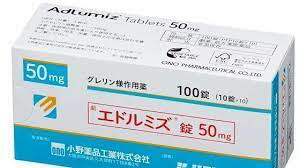
Anamorelin is mainly used to treat cancer cachexia in patients with non-small cell lung cancer, gastric cancer, pancreatic cancer, colorectal cancer and other malignant tumors. These patients often experience significant weight loss, muscle wasting, and loss of appetite.
Megestrol tablets are not only used to treat weight loss during malignant tumors, but are also widely used in gynecological fields such as amenorrhea, functional uterine bleeding, endometriosis and contraception. In anticancer therapy, it is used primarily to control weight loss associated with malignancy.
Major side effects of anamorelin include increased blood sugar, exacerbation of diabetes, nausea, gastrointestinal disorders, increased appetite, weight gain, and fatigue. In addition, it may also affect cardiac function, such as prolongation of the QT interval. During the use of anamorelin, the patient's blood sugar, electrocardiogram and other physiological indicators need to be closely monitored to ensure the safety of medication.
The side effects of megestrol tablets mainly include gastrointestinal reactions such as nausea, vomiting, and stomach discomfort, and a small number of patients may experience ALT elevation. Long-term use may also cause problems such as edema and blood clots. Since megestrol is a hormonal drug, its side effects are closely related to changes in hormone levels, so special attention needs to be paid to the patient's changes in hormone levels during use.
Anamorelin has shown good efficacy and safety in clinical applications, especially in improving appetite and weight in patients with cancer cachexia. Before using anamorelin, patients need to inform their doctor of their complete medical history and current medication status to ensure the safety of the medication. Doctors will adjust the dose according to the patient's specific condition and closely monitor side effects during medication.
Megestrol tablets are also widely used in the treatment of cancer cachexia, but they have relatively many side effects, and long-term use may have a certain impact on anti-cancer treatment. When using megestrol tablets, doctors need to comprehensively consider the patient's specific situation and medication risks to ensure the safety and effectiveness of the medication.
[ 免责声明 ] 本页面内容来自公开渠道(如FDA官网、Drugs官网、原研药厂官网等),仅供持有医疗专业资质的人员用于医学药学研究参考,不构成任何治疗建议或药品推荐。所涉药品可能未在中国大陆获批上市,不适用于中国境内销售和使用。如需治疗,请咨询正规医疗机构。本站不提供药品销售或代购服务。


