
.jpeg)
The latest instructions for use of dasatinib
Indications:
1.Chronic myeloid leukemia (CML):
Dasatinib is particularly suitable for patients with Philadelphia chromosome-positive (Ph+) CML who are resistant or intolerant to imatinib mesylate. Its treatment scope covers adult patients in the chronic phase, accelerated phase and blast phase (including blast myeloblastosis and blast crisis), providing them with new treatment options.
2.Acute lymphoblastic leukemia (ALL):
For Philadelphia chromosome-positive (Ph+)ALL adult patients who are ineffective or intolerant to other treatment options, dasatinib is also an effective treatment option, bringing new hope to patients.
Mechanism of action:
The main mechanism of action of dasatinib is its function as a protein kinase inhibitor. It inhibits a variety of oncogenic kinases, especially BCR-ABLkinase, which is a key kinase abnormally activated in chronic myelogenous leukemia (CML). By inhibiting the activity of BCR-ABL kinase, dasatinib can block the signaling pathway of leukemia cells, thereby inhibiting the proliferation and survival of leukemia cells, thereby achieving the purpose of treating CML.
Medication method:
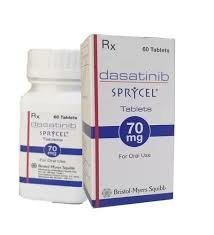
For Ph+patients in the chronic phase of CML, the recommended starting dose is dasatinib 100mg, taken orally 1 times daily. The time of administration should be consistent, either in the morning or in the evening. For Ph+accelerated phase and blast phase CML patients, the recommended starting dose is 70mg, daily2 times, taken orally in the morning and evening. It should be noted that dasatinib tablets must not be crushed or cut, and must be swallowed whole to ensure complete absorption and efficacy of the drug.
Side effects:
1.Allergic reactions: Some patients may experience severe allergic reactions after taking dasatinib, such as rash, urticaria, itching, redness, blisters or skin peeling. Severe allergic reactions such as fever, wheezing, and difficulty breathing may even occur. If these symptoms occur, seek medical attention immediately.
2.Myelosuppression: may lead to anemia, leukopenia and thrombocytopenia. In severe cases, it is necessary to reduce the dosage or discontinue the drug as directed by the doctor.
Abnormal bleeding: Because dasatinib can inhibit coagulation function, patients may have bleeding symptoms such as coughing up blood and vomiting blood. At this time, the drug should be stopped immediately and seek medical treatment.
3.Fluid retention: Some patients may develop symptoms of fluid retention such as pleural effusion and pericardial effusion, manifesting as chest tightness, shortness of breath, etc. Diuretic and supportive treatment may be used.
4.Gastrointestinal reactions: including nausea, vomiting, diarrhea, loss of appetite, etc., which may affect the patient's quality of daily life.
5.Other non-specific symptoms: such as headache, fatigue, muscle or joint pain, etc. In addition, some patients may develop flu-like symptoms.
6.Skin reaction: Rash is one of the common skin reactions, and the severity varies from person to person. For mild rashes, anti-allergic drugs can be used under the guidance of a doctor; if the rash worsens, seek medical attention in time.
7.Liver function damage: Some patients may suffer from liver function damage, manifested by elevated transaminases, etc. Therefore, patients should have their liver function tested regularly.
8.Pulmonary arterial hypertension (PAH): is a rare but serious adverse reaction during dasatinib treatment that can occur at any time after starting treatment. If the patient develops relevant symptoms, he should stop taking the medication immediately and seek medical advice.
Warnings and precautions:
1.Be alert to allergic symptoms such as severe rashes and urticaria. Once they occur, seek medical attention immediately.
2.Dasatinib may cause bone marrow suppression, lower blood cell counts, and increase the risk of bleeding, infection, or anemia. Patients should monitor blood counts regularly and avoid injury.
3.During treatment and within 30 days after stopping the drug, both men and women need to take contraceptive measures to avoid pregnancy.
4.Avoid combined use with certain drugs such as antacids, erythromycin, etc., to avoid affecting the efficacy of the drug or increasing side effects.
5.Not recommended for pregnant and lactating women, children and adolescents under 18 years old. Elderly patients need to be closely observed for events of fluid retention and dyspnea.
[ 免责声明 ] 本页面内容来自公开渠道(如FDA官网、Drugs官网、原研药厂官网等),仅供持有医疗专业资质的人员用于医学药学研究参考,不构成任何治疗建议或药品推荐。所涉药品可能未在中国大陆获批上市,不适用于中国境内销售和使用。如需治疗,请咨询正规医疗机构。本站不提供药品销售或代购服务。


