
.jpeg)
The efficacy of selinesol in the treatment of lymphoma
Despite multiple treatment options, the prognosis for patients with diffuse large B-cell lymphoma (DLBCL) is poor. Selinexor is a novel oral medication approved for the treatment of patients with relapsed/refractory (R/R) DLBCL, not otherwise indicated, including DLBCL caused by follicular lymphoma, after at least two courses of systemic therapy.
In a post hoc analysis of the SADAL study, a multinational, open-label study, subpopulations were evaluated to determine whether response to single agent selinesol was affected by the number of prior lines of therapy, autologous stem cell transplantation (ASCT), response to first and most recent therapy, and time to disease progression. Patients with DLBCL after 2 to 5 prior lines of therapy were enrolled in the SADAL trial and received 60 mg of selinesol twice weekly.
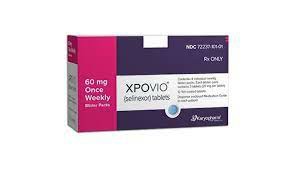
The study results showed that the median overall survival was9.0 months and the median progression-free survival was 2.6 months. Patients with the best overall response rate (ORR) and disease control rate were those who had prior ASCT (42.5% and 50.0%) or responded to last line of therapy (35.9% and 43.5%). Patients with primary refractory DLBCL also responded, with an ORR of 21.8%. Adverse events between subgroups were similar to the overall study population, with the most common being thrombocytopenia (29.1%), fatigue (7.5%), and nausea (6.0%).
Regardless of prior treatment and refractory disease status, the results of treatment with selinesol were consistent with its novel mechanism of action and the absence of cross-resistance. Therefore, single-agent oral selinesol can induce deep, durable, and tolerable responses in patients with DLBCL who have relapsed after multiple chemoimmunotherapy combination regimens.
[ 免责声明 ] 本页面内容来自公开渠道(如FDA官网、Drugs官网、原研药厂官网等),仅供持有医疗专业资质的人员用于医学药学研究参考,不构成任何治疗建议或药品推荐。所涉药品可能未在中国大陆获批上市,不适用于中国境内销售和使用。如需治疗,请咨询正规医疗机构。本站不提供药品销售或代购服务。


