
.jpeg)
To explore the therapeutic adaptability of temozolomide in patients with brainstem glioma
Brainstem glioma is a rare and challenging central nervous system tumor with relatively limited treatment options due to its unique location and complexity. Temozolomide, as a new imidazotetrazine alkylating agent, has shown certain efficacy in the treatment of glioma in recent years.
Temozolomide is an alkylating agent anti-tumor drug. After entering the human body, it can be converted into diazomethane, methylating DNA and thus hindering the division of glioma cells. Importantly, temozolomide can cross the blood-brain barrier and act directly on intracranial glioma cells. This property gives it a significant advantage in the treatment of brainstem gliomas, since the brainstem is located deep inside the skull and is difficult to reach with many drugs.
Temozolomide can be used as an important adjuvant chemotherapy for patients with brainstem glioma who cannot tolerate surgery or who are difficult to completely resect with surgery. Clinical practice shows that temozolomide can prolong the survival period of glioma patients and play a positive role in improving the prognosis.
Temozolomide is often used in combination with other treatments such as surgery, radiotherapy, and molecular targeted therapy to achieve optimal therapeutic effects. The use of temozolomide before surgery can reduce the size of the tumor and create more favorable conditions for surgery; its use after surgery can help remove residual cancer cells and reduce the risk of recurrence.
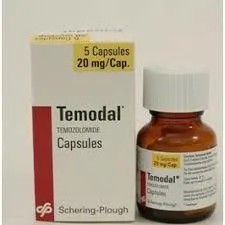
For patients with brainstem glioma in the acute attack stage, the disease needs to be controlled and stabilized before radiotherapy can be considered. During this period, temozolomide can be used as an effective chemotherapy drug to relieve symptoms and buy time for subsequent treatment.
Temozolomide is relatively effective in the treatment of brainstem gliomas. It can give brain tumors a higher blood concentration in a short period of time, thereby exerting a strong killing effect. At the same time, because it can cross the blood-brain barrier, it also has a significant killing effect on tumor cells in the central nervous system. However, the specific efficacy is also affected by various factors such as individual differences, tumor type, stage, and medication regimen.
Although temozolomide has shown good efficacy in the treatment of brainstem glioma, its side effects cannot be ignored. Common side effects include nausea, vomiting, neurological toxicity, bone marrow suppression, and fatigue. The incidence and severity of these side effects vary among individuals, but they can usually be alleviated through changes in medication regimen, symptomatic treatment, and supportive care.
1.Nausea and vomiting are one of the common side effects of temozolomide. Patients can take preventive antiemetic measures before taking medication, such as using antiemetic drugs. At the same time, keeping a light diet and eating small amounts frequently can also help reduce this symptom.
2.Temozolomide may cause nervous system toxic reactions, such as headache, dizziness, etc. These symptoms usually resolve gradually after stopping the medication. If symptoms continue to worsen, you should seek medical treatment promptly and adjust your treatment plan.
3.Myelosuppression is another important side effect of temozolomide, which may lead to leukopenia, anemia and other problems. Patients should undergo regular blood routine examinations to detect and deal with related problems in a timely manner. If necessary, the doctor may adjust the dosage of the medication or switch to other treatment options.
[ 免责声明 ] 本页面内容来自公开渠道(如FDA官网、Drugs官网、原研药厂官网等),仅供持有医疗专业资质的人员用于医学药学研究参考,不构成任何治疗建议或药品推荐。所涉药品可能未在中国大陆获批上市,不适用于中国境内销售和使用。如需治疗,请咨询正规医疗机构。本站不提供药品销售或代购服务。


