
.jpeg)
Detailed explanation of the role and efficacy of capmatinib
Capmatinib (Capmatinib) is an oral, selective MET inhibitor, mainly used to treat non-small cell lung cancer (NSCLC) with MET gene mutations. The MET gene encodes a receptor tyrosine kinase, and its abnormal activation leads to the proliferation and survival of tumor cells. MET gene amplification or mutations are common in some patients with non-small cell lung cancer, and these mutations are often associated with disease progression, poor prognosis, and resistance to traditional treatments.
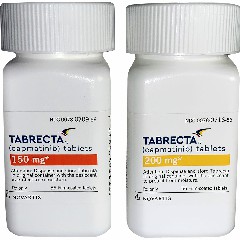
Capmatinib specifically binds to the kinase domain ofMET receptor and inhibits its downstream signaling pathways, thereby preventing the growth and metastasis of tumor cells. The effects of capmatinib were studied in a major study involving 100 patients with advanced non-small cell lung cancer with a "METex14 skipping" mutation who had progressed after previously receiving immunotherapy with or without platinum-based chemotherapy. Using body scans to assess response to treatment (reduction in cancer size), 44% of patients showed partial or complete reduction in cancer after receiving capmatinib. On average, reactions lasted at least 10 months.
In addition to its anti-tumor effect, capmatinib also performs well in terms of safety. Common adverse reactions include mild to moderate gastrointestinal discomfort, rash, and edema, and most patients can accept this treatment without discontinuing the drug. For serious adverse reactions that may occur in individual patients, such as liver function damage or pneumonia, clinicians usually conduct close monitoring and adjust the treatment plan according to the patient's specific situation.
The launch of capmatinib provides a new option for the treatment of non-small cell lung cancer, especially for those patients whose traditional therapies are ineffective or who have MET gene mutations. However, capmatinib may cause photosensitivity reactions in patients after exposure to ultraviolet (UV) light, so patients treated with capmatinib should be advised to use sunscreen and protective clothing to limit exposure to UV radiation.
[ 免责声明 ] 本页面内容来自公开渠道(如FDA官网、Drugs官网、原研药厂官网等),仅供持有医疗专业资质的人员用于医学药学研究参考,不构成任何治疗建议或药品推荐。所涉药品可能未在中国大陆获批上市,不适用于中国境内销售和使用。如需治疗,请咨询正规医疗机构。本站不提供药品销售或代购服务。


