
.jpeg)
What is the effect of capmatinib combined with osimertinib?
Capmatinib (Capmatinib) is a kinase inhibitor indicated for the treatment of adults with metastatic non-small cell lung cancer whose tumors have mutations that cause MET exon 14 skipping. Osimertinib is a targeted drug targeting EGFR mutations and is widely used in patients with EGFR mutation-positive non-small cell lung cancer. Capmatinib and osimertinib belong to the kinase inhibitor class of drugs. They work by blocking the activity of abnormal proteins that signal cancer cells to multiply. This helps stop or slow the spread of cancer cells and may help shrink tumors.
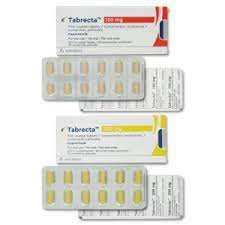
In clinical treatment, the limitations of single-targeted drugs are gradually emerging, especially in patient groups with diverse target mutation types. MET gene mutations and EGFR mutations are not rare in the occurrence of non-small cell lung cancer, and these two mutations often appear in the same patient. Although capmatinib and osimertinib are effective, nearly all patients experience disease progression, which is mediated by a diverse set of resistance mechanisms. Therefore, the combined use of capmatinib and osimertinib becomes a treatment strategy worth exploring.
In animal studies, combined treatment with capmatinib and osimertinib overcame osimertinib resistance and improved survival in thePDX mouse model. The curve of tumor burden over time showed that the combination therapy (capmatinib + osimertinib) group had the lowest tumor burden. After patients received combined treatment, the tumor shrinkage rate was significantly improved, and the disease control rate was also significantly improved. At the same time, due to the different side effects of the two drugs, patients usually do not experience serious adverse reactions after taking the combination, and their overall quality of life improves.
However, although combination therapy shows good promise, further clinical trials are needed to verify its long-term efficacy and safety. Especially in patients with non-small cell lung cancer with different gene mutation types and different stages, the effect of combination therapy may be different, so personalized treatment plans are needed.
[ 免责声明 ] 本页面内容来自公开渠道(如FDA官网、Drugs官网、原研药厂官网等),仅供持有医疗专业资质的人员用于医学药学研究参考,不构成任何治疗建议或药品推荐。所涉药品可能未在中国大陆获批上市,不适用于中国境内销售和使用。如需治疗,请咨询正规医疗机构。本站不提供药品销售或代购服务。


