
.jpeg)
Can glioma patients take temozolomide alone without radiation therapy?
Temozolomide is a new type of alkylating anti-tumor drug that is taken orally. It has broad-spectrum anti-tumor activity and can pass through the blood-brain barrier to effectively kill tumor cells in the central nervous system. It is widely used to treat newly diagnosed and recurrent glioblastoma and anaplastic astrocytoma and has been shown to prolong patient survival.
Low-grade gliomas (such asGrades I and II) are relatively less malignant. If the surgical resection is complete, taking temozolomide alone after surgery may be enough to control the disease. However, for high-grade gliomas (such as grades III and IV), especially glioblastoma, due to their high malignancy and rapid growth, temozolomide alone may not be sufficient to control tumor progression.
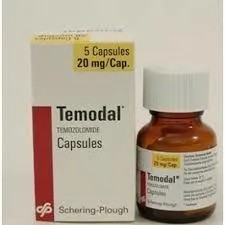
Whether surgery can completely remove the tumor is also an important factor in determining subsequent treatment options. If surgery can completely remove the tumor and pathological examination shows negative margins, postoperative temozolomide alone may be a viable option. However, if surgery cannot completely remove the tumor, or if there are positive margins, it is usually necessary to combine it with other treatments such as radiotherapy.
The patient's age, physical condition, liver and kidney function and other factors will also affect the choice of treatment plan. Temozolomide alone may be an alternative treatment option for patients who are medically unable to tolerate radiation therapy.
Whether it is feasible to take temozolomide alone without radiotherapy for patients with glioma needs to be comprehensively evaluated based on the patient's specific situation. Under the guidance of professional doctors, the most appropriate treatment plan will be formulated based on factors such as the patient's tumor grade, extent of surgical resection, and overall health status. If you decide to take temozolomide alone for treatment, the doctor will develop an appropriate dosage regimen based on the patient's specific conditions, including dosage, frequency, and course of treatment, to ensure the therapeutic effect and patient safety. At the same time, patients should also follow medical advice, take medications on time and have regular reexaminations to monitor tumor changes and treatment effects.
[ 免责声明 ] 本页面内容来自公开渠道(如FDA官网、Drugs官网、原研药厂官网等),仅供持有医疗专业资质的人员用于医学药学研究参考,不构成任何治疗建议或药品推荐。所涉药品可能未在中国大陆获批上市,不适用于中国境内销售和使用。如需治疗,请咨询正规医疗机构。本站不提供药品销售或代购服务。


