
.jpeg)
What is the effect of combined treatment with metformin and temozolomide?
The clinical efficacy of the combination of metformin and temozolomide in the treatment of glioblastoma is an area of great concern, and several studies have explored the safety and efficacy of this combination therapy in recent years.
Metformin is a widely used antidiabetic drug that lowers blood sugar mainly by inhibiting hepatic gluconeogenesis and increasing peripheral tissue uptake and utilization of glucose. In recent years, more and more studies have found that metformin also has potential anti-tumor effects. It can inhibit the growth and proliferation of tumor cells through a variety of mechanisms, including reducing the expression of cyclin D1, inducing apoptosis, downregulating the vascular endothelial growth factor (VEGF) pathway, stimulating Activates 5' adenosine monophosphate-activated protein kinase (AMPK) and inhibits the mammalian MTOR signaling pathway. In addition, metformin has been found to affect the properties of tumor stem cells, thereby inhibiting tumor recurrence and metastasis.
Temozolomide is a new anti-tumor alkylating agent, mainly used to treat intracranial tumors such as glioblastoma. It can be converted into active metabolites in the body, thereby exerting cytotoxic effects and killing tumor cells. Temozolomide can penetrate the blood-brain barrier and has a good therapeutic effect on intracranial tumors. However, the effectiveness of temozolomide alone in the treatment of glioblastoma is limited, and patient survival remains short.
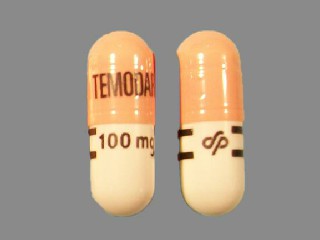
A US study combined temozolomide, memantine, mefloquine, and metformin in the treatment of glioblastoma and determined the maximum tolerated dose and dose-limiting toxicities of these drugs. The study results show that this combination therapy is acceptable in terms of safety and has initially shown the potential to extend patient survival. Although this study did not directly compare the effects of metformin alone and in combination, it provides strong support for the application of metformin in anti-tumor treatment.
Another study conducted by the Yamagata University School of Medicine and the National Cancer Center Central Hospital in Japan directly evaluated the efficacy of metformin combined with temozolomide and radiotherapy in patients with glioblastoma. This study is a Phase I/II clinical trial designed to evaluate the safety and effectiveness of this combination therapy. Preliminary results show that the combination of metformin and temozolomide does not increase the incidence of serious adverse events and may help prolong patient survival. In addition, the study also explored the effect of metformin on glioblastoma stem cells and found that metformin may inhibit tumor recurrence and metastasis by affecting the characteristics of tumor stem cells.
Multiple studies have shown that the combination of metformin and temozolomide in the treatment of glioblastoma may help prolong patient survival. Although the exact length of extension varies from study to study, this combination therapy shows some promise in improving patient outcomes.
Based on published studies, the safety profile of metformin combined with temozolomide is acceptable. Although some patients may experience gastrointestinal reactions, bone marrow suppression and other adverse reactions, most of these adverse reactions can be alleviated by adjusting the drug dosage or providing symptomatic and supportive treatment.
Metformin inhibits tumor recurrence and metastasis by affecting the characteristics of cancer stem cells, which is one of the important mechanisms of this combination therapy. Cancer stem cells are one of the main causes of tumor recurrence and metastasis, so it is of great significance to inhibit tumor progression by targeting cancer stem cells.
[ 免责声明 ] 本页面内容来自公开渠道(如FDA官网、Drugs官网、原研药厂官网等),仅供持有医疗专业资质的人员用于医学药学研究参考,不构成任何治疗建议或药品推荐。所涉药品可能未在中国大陆获批上市,不适用于中国境内销售和使用。如需治疗,请咨询正规医疗机构。本站不提供药品销售或代购服务。


