
.jpeg)
Mobotinib vs. zanubrutinib: An in-depth comparison of mechanisms of action, indications, and clinical applications
Although Mobocertinib (trade name: Exkivity) and zanubrutinib (Zanubrutinib, trade name: Brukinsa) both belong to the general category of tyrosine kinase inhibitors, they show significant differences in their mechanisms of action, indications, and clinical applications. This article will delve into the differences between these two drugs in order to provide more detailed information for cancer patients and health care workers.
1. Similarities and differences in mechanisms of action
Mobocertinib(Mobocertinib)
Target:Mobosetinib mainly targetsEGFR (epidermal growth factor receptor), specifically targeting EGFRexon20 insertion mutations. EGFR is a signaling molecule that plays a key role in cell proliferation, differentiation and survival.
Mechanism of action: By irreversibly binding and inhibiting the tyrosine kinase activity of EGFR, mobosetinib (mobosetinib) can block the signaling pathways of cancer cells, thereby effectively inhibiting the growth and spread of tumors. This property makes it particularly suitable for patients who have developed resistance to first- and second-generation EGFR-TKIs.
Zanubrutinib (Zanubrutinib)
Target: Zanubrutinib targets Bruton's tyrosine kinase (BTK). BTKplays an important role in B cell receptor signaling, promoting the proliferation and survival of B cells.
Mechanism of action: Zanubrutinib inhibits the activity of BTK and blocks B cell receptor signaling, thereby inhibiting the proliferation and survival of B cells. This mechanism makes it ideal for treating a variety ofAn effective drug for Bcell malignancies.
2. Comparison of indications
Mobocertinib(Mobocertinib)
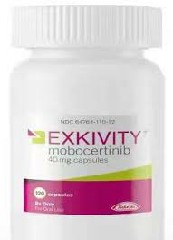
Indications: Mainly used to treat patients with advanced non-small cell lung cancer (NSCLC) with EGFRexon20 insertion mutations. These patients often develop resistance to conventional EGFR-TKI treatments and have relatively limited treatment options.
Clinical Application:Mobosetinib provides a new treatment option for these patients by targeting specific EGFR mutations, significantly improving their prognosis and quality of life.
Zanubrutinib (Zanubrutinib)
Indications: Mainly used to treat a variety of B cell malignancies, including chronic lymphocytic leukemia (CLL), small lymphocytic lymphoma (SLL) and Waldenstrom's macroglobulinemia (WM).
Clinical application: By targeting BTK, zanubrutinib effectively inhibits the proliferation and survival of B cells, thereby controlling and alleviating the symptoms and progression of these malignant tumors.
3. Clinical trials and approval status
Mobocertinib(Mobocertinib)
Clinical Trials: In clinical trials, mobotinib (mobocertinib) demonstrated significant efficacy, particularly in extending progression-free survival and improving objective response rates. Patients who received treatment showed significant tumor shrinkage and disease stabilization.
Approval status:Mobosetinib (mobosetinib) has been accelerated approval by the U.S. Food and Drug Administration (FDA) for the treatment of patients with advanced non-small cell lung cancer with EGFRexon 20 insertion mutations.
Zanubrutinib (Zanubrutinib)
Clinical Trials: Zanubrutinib has demonstrated significant efficacy in the treatment ofBcell malignancies in multiple clinical trials, particularly in extending progression-free survival and improving overall response rates.
Approval status: Zanubrutinib has been approved by regulatory agencies in many countries for the treatment of various B cell malignancies such as chronic lymphocytic leukemia, small lymphocytic lymphoma and Waldenstrom's macroglobulinemia.
Although both mobotinib and zanubrutinib are tyrosine kinase inhibitors, they have significant differences in their mechanisms of action, indications, targets and clinical applications. Mobosetinib mainly targets non-small cell lung cancer patients with EGFRexon20 insertion mutations. It blocks the signal transduction of cancer cells by inhibiting the tyrosine kinase activity of EGFR. Zanubrutinib targets Bruton's tyrosine kinase and is mainly used to treat a variety of BB cell malignancies.
The remarkable efficacy of the two in clinical applications provides new treatment options for patients with different types of cancer. However, when using these drugs, you need to pay attention to their respective side effects and manage and treat them under the guidance of a professional doctor. In the future, with more in-depth research and expansion of clinical applications of these two drugs, we are expected to bring better treatment effects and higher quality of life to more cancer patients.
[ 免责声明 ] 本页面内容来自公开渠道(如FDA官网、Drugs官网、原研药厂官网等),仅供持有医疗专业资质的人员用于医学药学研究参考,不构成任何治疗建议或药品推荐。所涉药品可能未在中国大陆获批上市,不适用于中国境内销售和使用。如需治疗,请咨询正规医疗机构。本站不提供药品销售或代购服务。


