
.jpeg)
Is cabozantinib effective in advanced lung cancer?
Cabozantinib has a certain effect on advanced lung cancer, especially for some lung cancer patients with specific gene mutations.
Cabozantinib is a multi-target tyrosine kinase inhibitor that can inhibit multiple targets related to tumor growth and metastasis, including VEGFR, MET, RET, etc. These targets play an important role in the occurrence and development of lung cancer, so cabozantinib can block the proliferation and metastasis of lung cancer cells by inhibiting these targets.
Multiple clinical trial data support the efficacy of cabozantinib in the treatment of advanced lung cancer. For example, cabozantinib has been shown to have a significant therapeutic effect in patients with RET rearranged advanced non-small cell lung cancer (NSCLC). In an open-label, single-arm Phase II trial, cabozantinib achieved a response rate of 28% in pretreated and treatment-naïve RET+ NSCLC patients, with a median duration of response of 7.0 months. In addition, cabozantinib has also been used to treat patients with advanced NSCLC with other gene mutations and has shown certain efficacy.
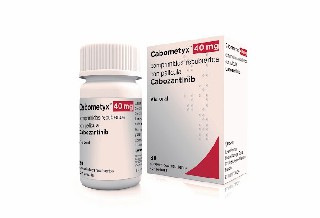
Cabozantinib is mainly used to treat locally advanced or metastatic unresectable lung cancer, especially those patients who are insensitive or resistant to traditional chemotherapy or targeted therapy. For patients with advanced lung cancer, doctors will evaluate whether cabozantinib is suitable for use based on the patient's specific situation and genetic testing results. Recommended use is generally oral, with dosage adjusted based on patient weight and tolerance.
The efficacy of cabozantinib in the treatment of advanced lung cancer varies among individual patients, but in general, it can prolong patient survival, improve quality of life and control tumor progression. However, cabozantinib is also associated with certain side effects, such as hypertension, hand-foot syndrome, diarrhea, fatigue, etc. Most of these side effects are mild to moderate and can be effectively managed with dose adjustment and supportive care.
Although cabozantinib has shown certain efficacy in the treatment of advanced lung cancer, not all patients with advanced lung cancer are suitable for use. The doctor will develop an individualized treatment plan based on the patient's specific situation, genetic test results and drug indications. In addition, as a targeted drug, the efficacy of cabozantinib is also affected by the genetic mutation status of the patient. Therefore, it is very important to conduct comprehensive genetic testing and evaluation before using cabozantinib.
[ 免责声明 ] 本页面内容来自公开渠道(如FDA官网、Drugs官网、原研药厂官网等),仅供持有医疗专业资质的人员用于医学药学研究参考,不构成任何治疗建议或药品推荐。所涉药品可能未在中国大陆获批上市,不适用于中国境内销售和使用。如需治疗,请咨询正规医疗机构。本站不提供药品销售或代购服务。


