
.jpeg)
Which side effect is greater, capmatinib or sivotinib?
Capmatinib (Capmatinib) and Savolitinib (Savolitinib) are targeted therapeutic drugs for specific types of cancer. They are mainly used to treat non-small cell lung cancer (NSCLC) with MET gene abnormalities. Although both belong to the same class of drugs, their side effect profiles are slightly different.
Common side effects of capmatinib include fatigue, nausea, vomiting, decreased appetite, diarrhea, etc. These are common side effects of many chemotherapy or targeted drugs. In addition, capmatinib may cause adverse reactions such as rash, edema, and increased liver function indicators. In clinical studies, some patients may experience more serious side effects such as pneumonia, so pulmonary symptoms need to be closely monitored during use.
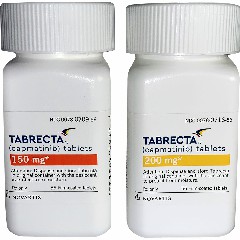
In contrast, the side effect spectrum of saivotinib is also very similar, but some of its unique reactions require special attention. Common side effects of saivotinib also include fatigue, loss of appetite, nausea, and diarrhea. However, some studies have shown that saivotinib may be more likely to cause liver damage, especially elevated transaminases. In addition, some patients may experience significant skin reactions, particularly rash on the face and trunk, while taking savotinib. These skin reactions are common early in treatment and usually improve over time, but for some patients, additional treatments may be needed to control them.
Overall, from a clinical practice perspective, the side effects of the two are roughly equivalent, but the incidence and severity of specific side effects may vary due to individual differences. Therefore, when selecting a treatment plan, doctors will comprehensively consider factors such as the patient's physical condition, tumor characteristics, and tolerance to treatment.
[ 免责声明 ] 本页面内容来自公开渠道(如FDA官网、Drugs官网、原研药厂官网等),仅供持有医疗专业资质的人员用于医学药学研究参考,不构成任何治疗建议或药品推荐。所涉药品可能未在中国大陆获批上市,不适用于中国境内销售和使用。如需治疗,请咨询正规医疗机构。本站不提供药品销售或代购服务。


