
.jpeg)
Which one has fewer side effects, capmatinib or crizotinib?
Capmatinib is specifically approved to treat adult patients with non-small cell lung cancer (NSCLC) who have mutations that cause MET exon 14 skipping, and its effectiveness is particularly focused on tumors with this genetic alteration. Crizotinib, on the other hand, is used to treat non-small cell lung cancer with ALK (anaplastic lymphoma kinase) or ROS1 (c-ros oncogene 1)-positive tumors, targeting different genetic drivers of the cancer. When deciding between these two drugs, it is critical that patients undergo genetic testing to determine the presence of the MET exon 14 skipping mutation for capmatinib or the ALK/ROS1 mutation for crizotinib, as the efficacy of each drug is highly dependent on these specific genetic alterations.
Capmatinib is an FDA-approved targeted therapy for the treatment of adult patients with NSCLC that has spread to other parts of the body (metastatic) and whose tumors have abnormal mesenchymal-to-epithelial transition (MET) genes. The efficacy of capmatinib was evaluated in a clinical trial, and patients showed a significant response rate to the treatment, indicating that it can effectively inhibit tumor growth and reduce tumor size in a subset of lung cancer patients with this specific genetic alteration.
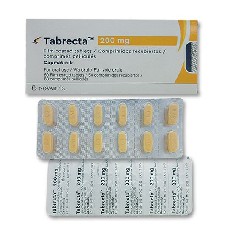
The side effects of capmatinib are generally considered to be relatively mild. Studies show that common side effects include nausea, vomiting, diarrhea and fatigue. These side effects are manageable and relatively short-lived in most patients. Clinical trial data show that capmatinib is well tolerated and that many patients are able to maintain a normal quality of life while receiving treatment. In addition, capmatinib is associated with certain tumor markers, such as liver function impairment, and has relatively few serious adverse reactions.
Crizotinib is another targeted therapy that has been approved for the treatment of non-small cell lung cancer, especially for patients whose tumors are anaplastic lymphoma kinase (ALK) or ROS1-positive. In clinical trials, crizotinib has been shown to be highly effective in patients with ALK-positive non-small cell lung cancer, resulting in a significant improvement in progression-free survival compared with standard chemotherapy. The overall response rate (ORR) of crizotinib in ALK-positive lung cancer is impressive, with many patients experiencing tumor shrinkage or disease stabilization.
Relatively speaking, the side effect spectrum of crizotinib is wider, and some adverse reactions may be relatively serious. Common side effects of crizotinib include visual disturbances, gastrointestinal reactions (such as nausea, vomiting), liver function damage, and pneumonia. The incidence of visual impairment is higher in patients taking crizotinib, a side effect that, although usually reversible, may still cause problems in daily life. In addition, crizotinib may cause interstitial lung disease (ILD), which is a serious side effect that requires prompt monitoring and management.
Although capmatinib and crizotinib are both effective targeted therapies, capmatinib is generally considered to have a lower risk of side effects and is better tolerated in terms of side effects. However, side effects vary from person to person, so when choosing a treatment option, patients should communicate with their doctor to develop a suitable treatment plan.
[ 免责声明 ] 本页面内容来自公开渠道(如FDA官网、Drugs官网、原研药厂官网等),仅供持有医疗专业资质的人员用于医学药学研究参考,不构成任何治疗建议或药品推荐。所涉药品可能未在中国大陆获批上市,不适用于中国境内销售和使用。如需治疗,请咨询正规医疗机构。本站不提供药品销售或代购服务。


