
.jpeg)
What are the adverse reactions of Jisandai (Bingtonsha)?
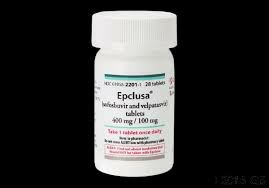
Epclusa (Epclusa) is a drug used to treat hepatitis C, consisting of Sofosbuvir (Sofosbuvir) and Velpatasvir (Velpatasvir). Overall, the drug was well tolerated in most patients, but some adverse effects may still occur. The following are the possible adverse reactions ofJisandai (Bingtonsha):
Common adverse reactions:
1.Headache: Headache is a common adverse reaction in the treatment of Jisandai (Bingtonsa) . It is usually mild to moderate and can usually be relieved by conventional analgesics.
2.Fatigue: Patients may feel tired or weak, which are common symptoms during treatment.
3.Nausea: Some patients may experience nausea during use of GISANDA (Bingtonsa) , although this is generally mild.
4.Insomnia: A small number of patients may experience sleep problems such as insomnia.
5.Abdominal pain: Some patients may experience abdominal discomfort or pain.
Lesser but potentially serious reactions:
1.Abnormal liver function: Although Jisandai (Bingtonsa) usually does not cause significant liver toxicity, in a few cases, it may cause abnormalities in liver function indicators, such as elevated liver enzyme levels. This usually requires close monitoring.
2.Rash: A small number of patients may develop rash or other skin reactions. These symptoms are usually mild, but if severe or persistent, they should seek medical attention promptly.
3.Allergic Reaction: A rare number of patients may experience an allergic reaction, including rash, itching, or difficulty breathing. If you have a severe allergic reaction, such as anaphylactic shock, seek medical attention immediately.
4.Gastrointestinal symptoms: Although uncommon, some patients may experience gastrointestinal symptoms such as diarrhea or decreased appetite.
Drug interactions:
Gisanda (Bingtonsa) may interact with other medications, which may increase the risk of adverse reactions. For example, when Jisandai (Bingtonsa) is used in combination with certain antiviral drugs or antifungal drugs, changes in drug concentration may occur, affecting the therapeutic effect or increasing side effects. Therefore, before you start using Bentonsa, you should tell your doctor about all the medications you are taking, including prescription drugs, over-the-counter drugs, and herbal supplements.
Notes for special groups:
1.For patients with severe liver disease (such as cirrhosis) or renal insufficiency, the use of Bingtonsa requires special caution and may require additional monitoring and adjustment of the treatment plan.
2.Pregnant and lactating patients should consult a doctor to ensure that the use of Jisandai (Bingtonsha) is safe for mother and baby.
AlthoughJisandai (Bingtonsa) has relatively few adverse reactions and are usually mild, patients should pay close attention to their physical condition during treatment. If you have any discomfort or concerns, you should communicate with your doctor promptly to ensure the safety and effectiveness of treatment. Regular medical examinations and monitoring can help to detect and manage potential adverse effects early, thereby optimizing the effectiveness of treatment.
[ 免责声明 ] 本页面内容来自公开渠道(如FDA官网、Drugs官网、原研药厂官网等),仅供持有医疗专业资质的人员用于医学药学研究参考,不构成任何治疗建议或药品推荐。所涉药品可能未在中国大陆获批上市,不适用于中国境内销售和使用。如需治疗,请咨询正规医疗机构。本站不提供药品销售或代购服务。


