
.jpeg)
The uses and effects of Jisandai (Bingtongsha)
Epclusa (Epclusa) is an antiviral drug used to treat hepatitis C virus (HCV) infection. It has a wide range of uses and significant efficacy. Composed of two active ingredients, Sofosbuvir (Sofosbuvir) and Velpatasvir (Velpatasvir), Bingtonsa) has become an important milestone in the treatment of hepatitis C, especially in the face of all genotypes of hepatitis C virus. It has unique advantages.
Purpose
The main purpose of Jisandai (Bingtonsha) is to treat chronic hepatitis C virus infection. Hepatitis C is a blood-borne viral disease that is spread primarily through shared needles, blood transfusions, or other contact with infected blood. Long-term infection with HCVcan lead to cirrhosis, liver failure, and even liver cancer, so early treatment is crucial. Jisanda (Bingtonsa) has excellent performance in treating all genotypes of HCV (1 to 6 types), making it suitable for different patient groups around the world.
Indications
Jisandai (Bingtonsha) is suitable for the following patient groups:
1.Patients without cirrhosis or with compensated cirrhosis: For these patients, Gsanda (bingtonsa) usually provides effective treatment without the need for combination with other drugs.
2.Patients with decompensated cirrhosis: In this type of patients, Gsanda (Bintongsa) usually needs to be used in combination with ribavirin to improve the therapeutic effect and reduce the risk of viral recurrence.
3.Patients who have received other antiviral treatments but failed to be cured: Jisanda (Bingtonsa) provides a new treatment opportunity for such patients, especially after previous treatment failed.
4.Patients infected with all genotypes: Jisandai (Bingtonsa) ’s broad-spectrum antiviral ability makes it suitable for all known HCVGenotypes (1 to 6 types), which greatly simplifies the choice of treatment options in actual treatment.
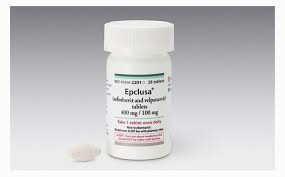
Effect
The efficacy of Jisandai (Bingtonsha) is mainly reflected in its high cure rate, wide applicability and relatively few side effects. The following are the main effects of Jisandai (Bingtonsha) in the treatment of hepatitis C:
1.High cure rate: The clinical trial results of Jisandai (Bingtonsa) show that in most cases, after 12 weeks of treatment, the HCV RNA (viral genetic material) test result in the patient's body is negative, which means that the virus is completely eliminated. This condition is called sustained virological response (SVR) and is generally considered a cure for hepatitis C. The SVR rate of Jisanda (Bingtonsa) is above 95%. No matter which genotype of HCV the patient is infected with, the cure rate is very high.
2.Wide applicability: A significant advantage of Jisandai (Bingtonsha) is its wide applicability. There are six main genotypes of hepatitis C virus, and each genotype has multiple subtypes. Traditional hepatitis C treatment methods usually require the selection of specific drug combinations based on genotypes, but Gsanda (Bintongsha) breaks this limitation and is suitable for patients with all genotypes. This not only simplifies treatment planning but also reduces treatment complexity caused by unknown genotypes or multi-genotype infections.
3.Simple treatment plan: The standard treatment course of Jisandai (Bingtongsha) is usually 12 weeks, with one tablet taken every day. This simple treatment regimen greatly improves patient compliance, or the likelihood that patients will continue to take their medications as prescribed. Compared with traditional therapies that require the combined use of multiple drugs, the single-drug treatment of Gsanda (Bingtonsa) is more convenient, and it is easier for patients to persist in completing the entire course of treatment.
4.Fewer side effects: In clinical trials and actual use,Jisandai (Bingtonsha) shows fewer side effects, and most patients can continue their normal life and work during treatment. Common side effects include headache, fatigue, nausea, etc., which are usually mild and will gradually ease as treatment progresses. In patients with decompensated cirrhosis, although concomitant use with ribavirin may be necessary, it is generally well tolerated.
5.Effectiveness in patients with decompensated cirrhosis: For patients with decompensated cirrhosis, Jisandai (Bingtonsa) also shows good efficacy. In this case, the patient's liver function has been significantly impaired, and the results of traditional treatments are often unsatisfactory. The combination of Bingtonsa and Ribavirin can improve the cure rate of these patients and control the deterioration of the disease at the same time. Although the treatment plan may require individualized adjustments in these patients, Gsanda (Bingtonsa) still provides a powerful treatment option.
As a broad-spectrum antiviral drug, Jisandai (Bingtonsa) provides a powerful and simple treatment option for hepatitis C patients. Its high cure rate, broad applicability and relatively few side effects make it an important tool in the field of hepatitis C treatment. For any patient infected with HCV, Bingtonsa may be an effective treatment option. By strictly following your doctor's instructions, patients can maximize their benefit from this medication and ultimately achieve a cure for hepatitis C.
[ 免责声明 ] 本页面内容来自公开渠道(如FDA官网、Drugs官网、原研药厂官网等),仅供持有医疗专业资质的人员用于医学药学研究参考,不构成任何治疗建议或药品推荐。所涉药品可能未在中国大陆获批上市,不适用于中国境内销售和使用。如需治疗,请咨询正规医疗机构。本站不提供药品销售或代购服务。


