
.jpeg)
Overview of Chinese instructions for lorlatinib/lorlatinib
1. Common name: Lorlatinib, Lorlatinib
Product name: Borrena, Lorbrena, Lorviqua
Other names: Lorlatinib
2. Who can take lorlatinib? Indications?
Lorlatinib is indicated for the treatment of adult patients with metastatic non-small cell lung cancer (NSCLC) whose tumors are anaplastic lymphoma kinase (ALK) positive as tested by an FDA-approved test.
3. What are the side effects of lorlatinib?
The most common side effects of lorlatinib are hypercholesterolemia (high blood cholesterol levels), hypertriglyceridemia (high levels of triglycerides, a type of fat), edema (fluid buildup), peripheral neuropathy (damage to nerves in the hands and feet), weight gain, cognitive effects (problems with thinking, learning, and memory), fatigue, difficulty breathing, joint pain, diarrhea, cough, and effects on mood; the most common serious side effects are thinking, learning, and memory problems, and pneumonitis (inflammation of the lungs).
4. How should you take lorlatinib?
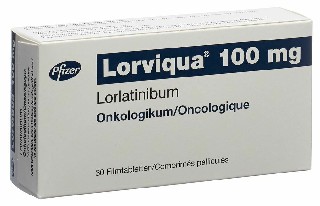
Patients with metastatic non-small cell lung cancer treated with lorlatinib are selected based on the presence of ALK positivity in tumor specimens. The recommended dose of lorlatinib is 100 mg once daily at the same time each day, with or without food, until disease progression or unacceptable toxicity. Swallow slices whole. Do not chew, crush, or split tablets. Do not take if tablet is broken, cracked, or incomplete.
If a dose is missed, take the missed dose unless the next dose is due within 4 hours. Do not take two doses of medicine at the same time to make up for a missed dose. If vomiting occurs after taking lorlatinib, do not take additional doses but continue with the next scheduled dose.
5. How to store lorlatinib?
Lorlatinib is available in tablet form and should be stored at 20°C to 25°C (68°F to 77°F); tolerances are 15°C to 30°C (59°F to 86°F).
6. How does lorlatinib work?
Lorlatinib is a kinase inhibitor with in vitro activity againstALK and ROS1, as well as TYK1, FER, FPS, TRKA, TRKB, TRKC, FAK, FAK2 and ACK. Lorlatinib has shown activity against multiple mutated forms of the ALK enzyme in vitro, including some of the mutations detected in tumors that progress on treatment with crizotinib and other ALK inhibitors.
Administration of lorlatinib produced antitumor activity in mice subcutaneously implanted with tumors harboring EML4-fused ALK variant 1 or ALK mutations, including the G1202R and I1171T mutations detected in tumors upon ALK inhibitor disease progression. Lorlatinib also showed anti-tumor activity and prolonged survival of mice implanted with an EML4 ALK-driven tumor cell line. The overall antitumor activity of lorlatinib in in vivo models was dose-dependent and associated with inhibition of ALK phosphorylation.
7. Who cannot use lorlatinib?
Lorlatinib is contraindicated in patients taking strong CYP3A inducers as it may cause severe hepatotoxicity.
[ 免责声明 ] 本页面内容来自公开渠道(如FDA官网、Drugs官网、原研药厂官网等),仅供持有医疗专业资质的人员用于医学药学研究参考,不构成任何治疗建议或药品推荐。所涉药品可能未在中国大陆获批上市,不适用于中国境内销售和使用。如需治疗,请咨询正规医疗机构。本站不提供药品销售或代购服务。


