
.jpeg)
Obeticholic acid drug information and correct usage
Obeticholic Acid (OCA), as a new farnesoid X receptor (FXR) agonist, has attracted widespread attention in the field of liver disease treatment in recent years. This article will introduce in detail the drug information and correct usage of obeticholic acid to help patients and medical professionals better understand and use this drug.
1. Drug information
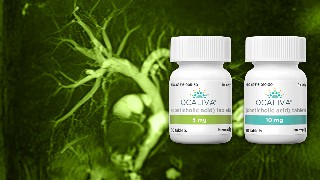
Obeticholic acid is developed and produced by Intercept Pharmaceuticals in the United States It is the first drug approved by the U.S. FDA for the treatment of primary biliary cirrhosis (PBC) in the past two decades. The drug indirectly inhibits cytochrome 7A1 (CYP7A1), the key enzyme for bile acid synthesis, by activating the FXR receptor, thereby reducing the production of bile acid, improving cholestasis, and delaying disease progression. The specific indications for obeticholic acid are the treatment of primary biliary cholangitis, in combination with ursodeoxycholic acid (UDCA) in adults who have poor response to UDCA, or as a single agent in adults who cannot tolerate UDCA. Patients should always consult their doctor before taking any medication to make sure it is suitable for your condition. In addition, its generic drugs are also sold in overseas markets at very affordable prices. For example, the generic obeticholic acid drug produced by Mylan in India is priced at more than 900 yuan, with a specification of 10 mg × 100 tablets.
2. Correct usage
1. Dosage and administration: The recommended starting dose of obeticholic acid is 5 mg per day, administered orally. If the patient's serum alkaline phosphatase (ALP) or total bilirubin levels do not decrease significantly after three months of treatment and the patient tolerates the drug well, the dose can be gradually adjusted to 10 mg per day. The maximum dose should not exceed 10 mg daily.
2. Drug monitoring: During the period of medication, patients should be regularly monitored for liver function, blood lipids and other indicators so that doctors can evaluate the treatment effect and adjust the treatment plan in a timely manner.
3. Note: Obeticholic acid may cause skin itching, diarrhea, fatigue and other side effects, most of which are mild to moderate and may gradually lessen with the extension of treatment time. If patients experience severe side effects or cannot tolerate it, they should seek medical treatment promptly and consider discontinuing or changing medications. In addition, obeticholic acid may interact with other medications, so you should inform your doctor in detail about all medications you are taking before taking it.
4. Follow medical advice: The most important thing is that patients should strictly follow the doctor’s medication instructions and recommendations, take the medication on time and in the right amount, and do not change the dosage or stop medication at will. At the same time, maintain good communication with the doctor and provide timely feedback on any discomfort or questions during the medication process.
In short, obeticholic acid, as an innovative liver disease treatment drug, provides a new treatment option for PBC and NASH patients. Understanding its drug information and correct usage can help patients and medical professionals make better use of this drug and improve patient prognosis and quality of life.
[ 免责声明 ] 本页面内容来自公开渠道(如FDA官网、Drugs官网、原研药厂官网等),仅供持有医疗专业资质的人员用于医学药学研究参考,不构成任何治疗建议或药品推荐。所涉药品可能未在中国大陆获批上市,不适用于中国境内销售和使用。如需治疗,请咨询正规医疗机构。本站不提供药品销售或代购服务。


