
.jpeg)
Can I take tepotinib if I am resistant to capmatinib?
The targeted drug capmatinib (Capmatinib) is a targeted drug targeting MET kinase and is mainly used to treat specific types of non-small cell lung cancer (NSCLC), especially those tumors with MET mutations or amplifications. Although capmatinib has achieved certain efficacy in clinical application, some patients may develop drug resistance over time. The mechanisms of drug resistance may include tumor cells evading drug effects through different signaling pathways, the occurrence of MET gene mutations, or the activation of other related pathways.
Tepotinib (Tepotinib) is also a MET inhibitor and a new generation of targeted drugs. For patients who have been treated with other MET inhibitors and developed resistance, the application of Tepotinib has become an option worthy of attention. Theoretically, patients with capmatinib resistance can consider switching to tepotinib in some cases, but the specific indications and effects still need to be comprehensively evaluated based on each patient's specific condition.
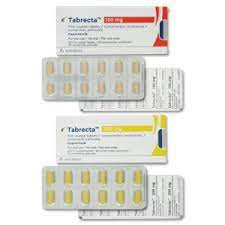
In clinical practice, for patients who have developed resistance to capmatinib, doctors usually conduct detailed molecular testing to determine whether there are specific gene mutations or other biomarkers associated with treatment resistance. In addition, the inhibitory mechanism of tepotinib on MET is different from that of capmatinib, and may have new therapeutic effects on some tumor cells that are resistant to capmatinib treatment. Therefore, selection of the appropriate drug needs to be based on the individual's molecular characteristics as well as previous treatment response.
When switching drugs, clinicians will consider multiple factors such as the patient's physical condition, the genetic characteristics of the tumor, past treatment history, and drug resistance mechanisms. Studies have shown that in some cases, tepotinib can overcome the resistance brought by capmatinib and exert an inhibitory effect on tumor cells. This provides new treatment options for drug-resistant patients and provides theoretical support for the development of treatment strategies.
[ 免责声明 ] 本页面内容来自公开渠道(如FDA官网、Drugs官网、原研药厂官网等),仅供持有医疗专业资质的人员用于医学药学研究参考,不构成任何治疗建议或药品推荐。所涉药品可能未在中国大陆获批上市,不适用于中国境内销售和使用。如需治疗,请咨询正规医疗机构。本站不提供药品销售或代购服务。


