
.jpeg)
How does cabozantinib treat lung cancer neuralgia?
Cabozantinib (also known as XL184) is an oral multi-target tyrosine kinase inhibitor. Since its initial approval for medullary thyroid cancer, its efficacy in a variety of solid tumors has gradually attracted attention. Especially in the treatment of lung cancer, cabozantinib has shown its unique efficacy. When it comes to lung cancer neuralgia, cabozantinib has also shown some clinical efficacy.
To understand the clinical efficacy of cabozantinib for lung cancer neuralgia, we must first understand its mechanism of action. Cabozantinib can inhibit multiple tyrosine kinase targets related to tumor growth and metastasis, including RET, MET, VEGFR2, etc. These targets are closely related to the occurrence and development of lung cancer. By inhibiting these targets, cabozantinib can slow the growth and spread of tumors, thereby achieving therapeutic goals.
Nerve pain is a common problem among lung cancer patients. Cabozantinib helps relieve pain symptoms by inhibiting targets associated with neuropathic pain. In some clinical trials, patients reported a reduction in neuralgia after taking cabozantinib.
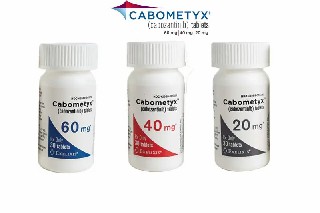
In addition to relieving pain, cabozantinib can extend the survival of lung cancer patients. By inhibiting tumor growth and spread, cabozantinib helps control the disease, thereby extending patients' survival. In some studies, patients taking cabozantinib have shown longer survival.
Cabozantinib can also be used in combination with other drugs to enhance its efficacy. For example, cabozantinib has been shown to be more effective when combined with drugs like erlotinib in some studies. This combination therapy may help to control the disease more comprehensively and further improve patient survival rates.
Although cabozantinib has shown certain efficacy in lung cancer neuralgia, it may also cause some side effects. Common side effects include high blood pressure, diarrhea, hand-foot syndrome, etc. However, these side effects can usually be controlled with appropriate medical management. For example, for symptoms such as high blood pressure and diarrhea, doctors can give corresponding drug treatments to relieve symptoms. At the same time, it is also very important to regularly monitor the patient's physical condition in order to adjust the treatment plan in a timely manner.
Multiple clinical studies have shown that cabozantinib has certain efficacy in the treatment of neuralgia in lung cancer. For example, in one study, patients taking cabozantinib experienced significant improvements in neuralgia and improved survival. These research data provide strong support for the application of cabozantinib in the treatment of lung cancer neuropathic pain.
In addition, there are some clinical cases showing that cabozantinib can effectively relieve neuralgia symptoms in patients with lung cancer. After using cabozantinib, the patients in these cases not only had their neuralgia relieved, but their overall condition was also stabilized or improved.
Cabozantinib has shown certain efficacy in the treatment of neuralgia in lung cancer. By inhibiting targets associated with neuropathic pain, cabozantinib relieves pain symptoms and extends patient survival. However, patients also need to be aware of possible side effects when using cabozantinib and undergo regular monitoring and evaluation to ensure optimal treatment effects.
[ 免责声明 ] 本页面内容来自公开渠道(如FDA官网、Drugs官网、原研药厂官网等),仅供持有医疗专业资质的人员用于医学药学研究参考,不构成任何治疗建议或药品推荐。所涉药品可能未在中国大陆获批上市,不适用于中国境内销售和使用。如需治疗,请咨询正规医疗机构。本站不提供药品销售或代购服务。


