
.jpeg)
A comprehensive guide to the treatment of chronic hepatitis C with Jisandai (Bingtonsha)
Common name: Sofosbuvir/Velpatasvir (Sofosbuvir/Velpatasvir)
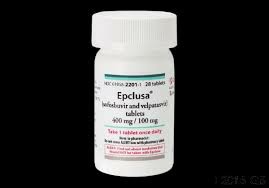
Product name: Jisandai (Bingtongsha) (Epclusa)
Dosage form and specifications: Oral tablets, each tablet contains 400mgsofosbuvir and 100mgvelpatasvir
1. Overview of drug indications
Jisandai (Bingtonsha) (Epclusa) is specially designed for adults and 12 years old and above, weighing at least 30kgHCV) infection, covering all 6 genotypes (GT 1-6). It is suitable for patients without cirrhosis or with compensated cirrhosis, while for patients with decompensated cirrhosis, it is recommended to be used in combination with ribavirin to enhance the therapeutic effect.
2. Analysis of drug action mechanism
As a compound preparation, the effectiveness of Jisandai (Bingtonsa) comes from two core ingredients: sofosbuvir and velpatasvir. Sofosbuvir, as an inhibitor of NS5B nucleotide polymerase, effectively inhibits viral replication by blocking the elongation of HCV RNA chains. Velpatasvir, as an NS5A inhibitor, further inhibits viral RNA replication and the assembly of viral particles by binding to the viral NS5A protein. The two work synergistically to significantly enhance the antiviral effect.
3. Detailed explanation of pharmacological properties
1.Absorption: After oral administration, Jisandai (Bingtonsa) is rapidly absorbed, and the maximum plasma concentrations of sofosbuvir and velpatasvir (Cmax) It will be reached within 2-4 hours after taking the medicine.
2.Distribution: The two components are widely distributed in the body. The plasma protein binding rate of velpatasvir exceeds 99%, indicating its high bioavailability.
3.Metabolism: Sofosbuvir is mainly metabolized by hydrolysis and oxidation in the liver and converted into active metabolitesGS-461203; Velpatasvir is mainly excreted unchanged in the feces.
4.Excretion: The active metabolites of sofosbuvir are mainly excreted through the kidneys, while velpatasvir is mainly excreted through bile, reflecting its unique excretion pathway.
4. Dosage and Usage Guide
1.Adult dosage: It is recommended to take one tablet once daily for 12 weeks.
2.Patients with decompensated cirrhosis: It is recommended to use it in combination with ribavirin for a 12 weekly treatment cycle.
3.Children’s dosage: Children 12 years old and above or weighing at least 30kg should use the same dosage regimen as adults.
5. Potential side effects and responses
1.Common side effects: may include headache, fatigue, nausea, diarrhea, insomnia, etc. Most are mild to moderate and are usually well tolerated by patients.
2.Severe side effects: allergic reactions, bradycardia, etc. may be related to the ingredients of the drug. Once they occur, you should stop taking the drug immediately and seek medical help.
6. Important warnings and precautions
1.Risk of bradycardia: Concomitant use with amiodarone may increase the risk of bradycardia, and cardiac function needs to be assessed before treatment.
2. Liver function monitoring: Patients with cirrhosis should closely monitor changes in liver function during treatment.
3. Pregnancy and lactation: Use by pregnant women may cause harm to the fetus. Breastfeeding women should use it with caution after weighing the pros and cons.
7. Description of contraindications
1. It is contraindicated for those who are allergic to sofosbuvir, velpatasvir or any component of this drug.
2.Concurrent use with potent P-gp inducers (such as rifampicin, St. John's wort) is prohibited.
8. Drug interaction tips
1.
2.Proton pump inhibitors: When combined with proton pump inhibitors such as omeprazole, it may affect the absorption of velpatasvir, and it is recommended to adjust the medication time.
9. Medication guidance for special populations
1. Elderly people: There is no need to adjust the dose according to age, but you need to pay attention to changes in liver and kidney function.
2. Patients with renal insufficiency: Patients with mild to moderate renal insufficiency do not need to adjust the dosage. Patients with severe renal insufficiency or dialysis need to be carefully evaluated before use.
3. Patients with hepatic insufficiency: Patients without cirrhosis or compensated cirrhosis do not need to adjust the dose. Patients with decompensated cirrhosis should be used in combination with ribavirin and strengthened monitoring.
4.Children and Adolescents: Adult doses may be used for children 12 years and older or weighing at least 30kg.
In summary, Epclusa (Epclusa) is an important drug in the treatment of chronic hepatitis C. Its use must strictly follow medical instructions to ensure drug safety and efficacy. Patients should read the instructions carefully before treatment and conduct treatment under the guidance of a doctor.
[ 免责声明 ] 本页面内容来自公开渠道(如FDA官网、Drugs官网、原研药厂官网等),仅供持有医疗专业资质的人员用于医学药学研究参考,不构成任何治疗建议或药品推荐。所涉药品可能未在中国大陆获批上市,不适用于中国境内销售和使用。如需治疗,请咨询正规医疗机构。本站不提供药品销售或代购服务。


