
.jpeg)
Lorlatinib/lorlatinib side effects management
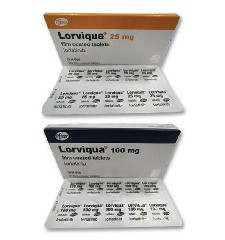
Lorlatinib is a targeted therapy used to treat certain types of non-small cell lung cancer (NSCLC). Although it has shown good efficacy in clinical treatment, some side effects may occur during use, and patients and their medical staff need to effectively manage these side effects.
First, hypercholesterolemia and hypertriglyceridemia are common side effects of lorlatinib. Patients should regularly test their blood lipid levels during treatment. Doctors can adjust their diet based on the test results and recommend a diet low in saturated fat and cholesterol. They may also need to use lipid-lowering drugs to control blood lipid levels. Patients should increase exercise and maintain a healthy physical condition to reduce the risk of cardiovascular disease.
Edema is also a common reaction to lorlatinib and manifests as swelling of the extremities or face. For mild edema, patients can relieve it by raising their limbs and reducing salt intake. For severe edema, a doctor may need to evaluate and administer diuretics or other corresponding drugs for treatment. Patients should pay attention to observe edema in daily life and report it to the doctor in time.
Peripheral neuropathy is another side effect that can affect a patient's quality of life, manifesting as numbness, tingling, or pain in the hands and feet. In response to this situation, patients can undergo regular neurological assessments and communicate with their doctors to adjust their medication regimen. In addition, physical therapy, use of pain medications, or neuroprotective agents may also help relieve symptoms.
Weight gain is also common in some patients. Patients need to pay attention to their own weight changes, control their diet, and maintain appropriate exercise to prevent excessive obesity. Doctors can provide nutritional advice and help patients develop a reasonable diet plan.
Cognitive effects, including problems with thinking, learning, and memory, may interfere with patients' daily lives and work. For such symptoms, patients should actively communicate with their doctors and receive psychological support or cognitive behavioral therapy if necessary. At the same time, maintaining adequate sleep and mental relaxation can also help improve cognitive function.
Fatigue is another common side effect and patients feel low energy or weak. In terms of dealing with fatigue, patients are advised to arrange daily activities reasonably, take appropriate rest, and engage in mild physical exercise to enhance physical strength. Fatigue can be effectively alleviated through reasonable work and rest times and eating habits.
For symptoms such as difficulty breathing, joint pain, diarrhea, and cough, patients should promptly report to their doctor and undergo corresponding examinations. Doctors may prescribe symptomatic medications based on the patient's specific symptoms to help relieve discomfort.
In addition, the emotional impact is also an issue that patients may face. Psychological support, psychological counseling, and joining patient support groups can help patients cope with psychological stress and enhance their confidence in fighting the disease.
In short, although the side effects of lorlatinib are diverse, many side effects can be alleviated or controlled through effective monitoring and management. Patients should maintain close communication with their doctors during the treatment process and jointly develop personalized management plans to improve quality of life and treatment effects. A positive attitude and a healthy lifestyle are important components of coping with side effects, and patients should strive to maintain their physical and mental health.
[ 免责声明 ] 本页面内容来自公开渠道(如FDA官网、Drugs官网、原研药厂官网等),仅供持有医疗专业资质的人员用于医学药学研究参考,不构成任何治疗建议或药品推荐。所涉药品可能未在中国大陆获批上市,不适用于中国境内销售和使用。如需治疗,请咨询正规医疗机构。本站不提供药品销售或代购服务。


