
.jpeg)
Detailed explanation of obeticholic acid’s applicable patient groups and treatment advantages
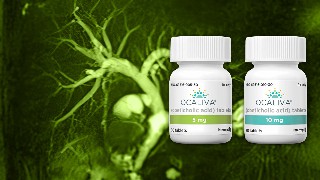
Obeticholic Acid (OCA), as an innovative farnesoid receptor agonist, has emerged in the field of liver disease treatment in recent years. Its unique pharmacological mechanism of action makes obeticholic acid show significant advantages in the treatment of various chronic liver diseases, and is especially suitable for specific patient groups.
1. Mainly applicable patient groups
Obeticholic acid is one of the important drugs in the treatment of primary biliary cholangitis (PBC), especially for patients who have insufficient response or intolerance to traditional treatment drugs such as ursodeoxycholic acid (UDCA). It can effectively reduce the accumulation of toxic bile acids, improve liver function, and delay disease progression.
In addition, as the incidence of non-alcoholic steatohepatitis (NASH) increases year by year worldwide, the efficacy of obeticholic acid as a potential treatment option has also attracted much attention. Some research data show that obeticholic acid can improve the liver histological characteristics and reduce liver enzyme levels in NASH patients, and has a positive therapeutic effect on this type of severe and progressive liver disease. However, it should be noted that this indication is still in the research stage and has not yet been formally approved by the FDA.
2. Treatment Advantages
1. Unique mechanism of action: Obeticholic acid reduces the synthesis of bile acid and promotes bile secretion by inhibiting the expression of cytochrome genes. This dual mechanism of action helps to fundamentally improve cholestasis and liver function damage.
2. Good tolerance and safety: Although obeticholic acid may cause some side effects, such as itching, fatigue, abdominal pain, etc., it is generally well tolerated. Rational use of medications under the guidance of a doctor can effectively reduce or avoid the occurrence of adverse reactions.
3. Significant therapeutic effect: Clinical studies have confirmed that obeticholic acid has shown significant efficacy in the treatment ofPBC. It can significantly reduce patients' biochemical indicators, improve liver histological characteristics, delay disease progression, and improve patients' quality of life and survival rate.
4. Potential for combined use: Obeticholic acid can not only be used alone, but can also be used in combination with drugs such as ursodeoxycholic acid to further improve the therapeutic effect. This flexible dosing method provides patients with more treatment options.
In summary, obeticholic acid, as a new drug for the treatment of liver diseases, shows significant advantages in the treatment of primary biliary cholangitis. For applicable patient populations, obeticholic acid is certainly a treatment option worth considering. However, patients still need to strictly follow medical instructions and use medications rationally during use to ensure the safety and effectiveness of treatment.
[ 免责声明 ] 本页面内容来自公开渠道(如FDA官网、Drugs官网、原研药厂官网等),仅供持有医疗专业资质的人员用于医学药学研究参考,不构成任何治疗建议或药品推荐。所涉药品可能未在中国大陆获批上市,不适用于中国境内销售和使用。如需治疗,请咨询正规医疗机构。本站不提供药品销售或代购服务。


