
.jpeg)
Preliminary efficacy observation after 20 days of lorlatinib/lorlatinib treatment
After 20 days of lorlatinib/lorlatinib treatment, it is critical to conduct an initial assessment of efficacy in patients with non-small cell lung cancer (NSCLC). As a third-generation anaplastic lymphoma kinase (ALK) tyrosine kinase inhibitor (TKI), lorlatinib has shown remarkable results in the treatment of ALK-rearranged lung cancer due to its broad inhibitory effect on ALK mutations. It effectively curbs the proliferation and spread of tumor cells by precisely targeting specific biomarkers.
In the 20 days after the initiation of treatment patients often experience many changes, including symptom relief, imaging changes, and possible treatment responses. Many patients experience significant improvement in symptoms in the early stages of treatment, such as relief of coughing, smoother breathing, or relief of chest pain. These positive physical responses may be closely related to a reduction in tumor size or a reduction in its growth rate. Therefore, clinicians will initially determine whether the treatment is effective based on the patient's intuitive feelings.
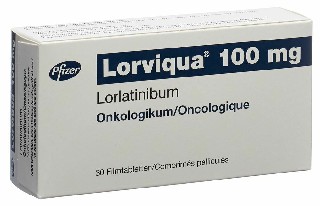
Imaging examinations play an important role in the evaluation of treatment effects. Although you may not see significant tumor shrinkage in just 20 days after taking the drug, your doctor may recommend imaging tests such as CT scans to observe changes in the lesions. If the lesions remain stable or show subtle signs of improvement, this can be taken as a sign that treatment may be effective. However, it is also important to realize that some patients may need a longer treatment period to show significant improvement, so the doctor's comprehensive judgment will take into account many factors.
During treatment, patients may experience treatment-related reactions such as fatigue, nausea, decreased appetite, and central nervous system-related symptoms, including headaches or mood swings. The occurrence of these reactions does not directly mean that the treatment is ineffective, but may be a manifestation of the drug's effect. Based on this, doctors will adjust the drug dosage or provide auxiliary treatment according to the patient's individual tolerance to help the patient better adapt and complete the treatment.
[ 免责声明 ] 本页面内容来自公开渠道(如FDA官网、Drugs官网、原研药厂官网等),仅供持有医疗专业资质的人员用于医学药学研究参考,不构成任何治疗建议或药品推荐。所涉药品可能未在中国大陆获批上市,不适用于中国境内销售和使用。如需治疗,请咨询正规医疗机构。本站不提供药品销售或代购服务。


