
.jpeg)
Which patients is obeticholic acid suitable for? What should patients pay attention to when taking medication?
Obeticholic acid (Obeticholic Acid), as an advanced farnesoidX receptor agonist, has achieved remarkable results in the treatment of primary biliary cholangitis (PBC) in recent years. It indirectly inhibits the key enzyme CYP7A1 for cholic acid synthesis by activating farnesoid X receptors, thereby reducing cholic acid production and improving liver function.
1. Detailed explanation of applicable groups
Obeticholic acid is particularly suitable for the treatment of patients with primary biliary cholangitis. This disease is usually more common in middle-aged and elderly women. It is caused by bile duct dysplasia or bile acid metabolism disorder, and can easily progress to liver fibrosis and cirrhosis. Obeticholic acid is the first drug approved by the FDA in the past 20 years for the treatment of PBC. It is particularly suitable for the treatment of adult patients with primary cholangitis, especially those with compensated cirrhosis without cirrhosis or evidence of portal hypertension. It can be used in combination with ursodeoxycholic acid (UDCA) in patients who have had poor response to UDCA, or as monotherapy in patients who cannot tolerate UDCA.
1. Precautions for use
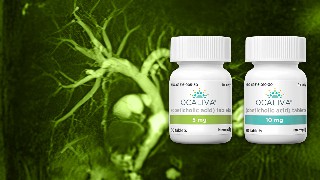
1. Strictly follow medical instructions: The use of obeticholic acid must be done under the guidance of a doctor to ensure the accuracy of dosage and time. Patients need to have their liver function tested regularly to monitor liver status and medication effects.
2. Pay attention to side effects: Obeticholic acid may cause a series of side effects, including itching, fatigue, abdominal pain, dry mouth, jaundice, and high cholesterol. Among them, itching is the most common side effect. If the symptoms are severe, you should seek medical treatment in time.
3. Drug interactions: Obeticholic acid may interact with other drugs. Patients should inform their doctor about all medications they are taking before taking them to avoid potential drug risks. In particular, drugs such as colesevelam, cholestyramine or colestipol should be avoided within 4 hours before and after taking obeticholic acid.
4. Regular medication use and monitoring: Patients should take obeticholic acid regularly and choose to take the medication at a fixed time every day to avoid missing doses or overdose. At the same time, liver function tests need to be performed regularly, and the medication regimen needs to be adjusted based on the test results.
5. Avoid stopping the medication on your own: Unless advised by your doctor, patients should not stop taking obeticholic acid without authorization to avoid affecting the therapeutic effect or triggering a rebound.
6. Drug storage: Obeticholic acid should be stored in a room temperature, dry, cool, and ventilated place, avoiding direct sunlight and high temperatures to ensure that the drug is used within the validity period.
In conclusion, obeticholic acid, as an innovative liver disease treatment drug, provides a new treatment option for patients with primary biliary cholangitis. However, when using it, patients should strictly follow medical instructions and pay attention to monitoring side effects and drug interactions to ensure the effectiveness and safety of the drug. Currently, there are both original drugs and generic drugs available on the market, and patients should make the appropriate choice based on their own needs and financial situation.
[ 免责声明 ] 本页面内容来自公开渠道(如FDA官网、Drugs官网、原研药厂官网等),仅供持有医疗专业资质的人员用于医学药学研究参考,不构成任何治疗建议或药品推荐。所涉药品可能未在中国大陆获批上市,不适用于中国境内销售和使用。如需治疗,请咨询正规医疗机构。本站不提供药品销售或代购服务。


