
.jpeg)
Is cabozantinib effective in small cell lung cancer? Can it be cured?
Cabozantinib, a multi-target tyrosine kinase inhibitor, has received widespread attention in cancer treatment in recent years. Regarding its effect on small cell lung cancer and whether it can cure small cell lung cancer,
Cabozantinib does have a certain therapeutic effect on small cell lung cancer. Although it is not the first choice treatment for small cell lung cancer, cabozantinib can be used as an alternative treatment in some cases, especially when the small cell lung cancer does not respond well to traditional chemotherapy or radiation therapy.
Studies have shown that cabozantinib has shown certain efficacy in the treatment of small cell lung cancer. For example, in some clinical trials, patients with small cell lung cancer treated with cabozantinib experienced stabilization or improvement in their disease. These research data provide certain support for the application of cabozantinib in the treatment of small cell lung cancer.
Cabozantinib can simultaneously act on multiple kinase targets related to tumor growth and spread. This multi-target feature gives cabozantinib a broader scope of action in the treatment of small cell lung cancer. It slows the growth and spread of tumor cells by inhibiting the activity of these kinases.
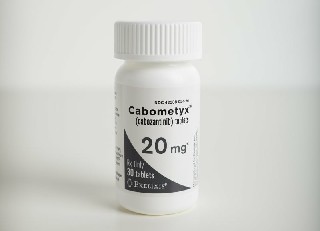
Although cabozantinib has a certain therapeutic effect on small cell lung cancer, in practical applications, it is usually used in combination with other treatments, such as chemotherapy, radiotherapy, etc. This comprehensive treatment strategy can further improve the treatment effect and prolong the survival of patients.
Although cabozantinib has a certain therapeutic effect on small cell lung cancer, it is not yet certain whether it can completely cure small cell lung cancer. Each patient's specific situation is different, including the severity of the disease, physical condition, response to medications, etc. These factors will affect the therapeutic effect of cabozantinib. Therefore, while cabozantinib may be effective in some patients, it is not guaranteed to be equally effective in all patients.
At present, the treatment of small cell lung cancer usually adopts a comprehensive treatment plan, including a combination of surgery, chemotherapy, radiotherapy and other methods. Cabozantinib can be used as part of a combination of treatments, but cabozantinib alone may not completely cure SCLC.
: Currently, the therapeutic effect of cabozantinib on small cell lung cancer is still under further research and clinical trials. There may be additional data and findings in the future to support or refute the efficacy of cabozantinib in the treatment of small cell lung cancer.
Some side effects may occur when using cabozantinib, such as fatigue, nausea, vomiting, diarrhea, etc. Patients should pay close attention to their physical condition during use and report any discomfort to their doctor in a timely manner. Patients should follow the doctor's medication instructions when using cabozantinib, including dosage, medication time, etc. Incorrect dosing may affect the effectiveness of treatment and increase side effects. As mentioned previously, cabozantinib is often given as part of a comprehensive treatment regimen. Patients should work with their doctor to develop a personalized treatment plan for optimal treatment results.
[ 免责声明 ] 本页面内容来自公开渠道(如FDA官网、Drugs官网、原研药厂官网等),仅供持有医疗专业资质的人员用于医学药学研究参考,不构成任何治疗建议或药品推荐。所涉药品可能未在中国大陆获批上市,不适用于中国境内销售和使用。如需治疗,请咨询正规医疗机构。本站不提供药品销售或代购服务。


