
.jpeg)
Does temozolomide have a significant effect on tumor shrinkage?
Temozolomide (TMZ) is an oral alkylating agent anti-tumor drug with strong anti-tumor activity. It achieves the purpose of treating tumors by interfering with the DNA replication process of tumor cells and thereby inhibiting the proliferation of tumor cells. Temozolomide is able to cross the blood-brain barrier and therefore excels in the treatment of brain tumors, especially intracranial primary and secondary tumors such as glioblastoma.
Temozolomide does have some efficacy in shrinking tumors. By inhibiting the growth and division of tumor cells, it can kill some tumor cells, thereby reducing the size of the tumor. Especially when used in combination with anti-tumor treatments such as radiotherapy, its efficacy is more significant.
Temozolomide is mainly used to treat brain tumors such as glioblastoma multiforme and anaplastic astrocytoma, as well as other types of tumors such as malignant melanoma and small cell lung cancer. In the treatment of these diseases, temozolomide has shown the potential to shrink tumors.
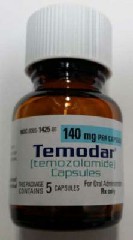
However, the clinical effect of temozolomide on tumor shrinkage is not significant in all patients. The effectiveness of temozolomide will vary from patient to patient because each patient's disease severity, tumor type, body constitution, and sensitivity to the drug are different. Some patients may be highly sensitive to temozolomide and experience significant tumor shrinkage, while other patients may have a weak or ineffective response.
Temozolomide is often used in combination with radiotherapy and other chemotherapy drugs to enhance the therapeutic effect. In a comprehensive treatment regimen, temozolomide can play a greater role in promoting tumor shrinkage and improving patient survival rates.
Although temozolomide has certain efficacy, its side effects cannot be ignored. Common side effects include gastrointestinal reactions such as nausea, vomiting, diarrhea, and constipation, as well as systemic symptoms such as dizziness, headache, fever, and decreased resistance. What’s more serious is that temozolomide may also cause adverse reactions such as bone marrow suppression and hepatotoxicity. Therefore, when using temozolomide, it is necessary to strictly follow the doctor's instructions and conduct regular blood routine and liver and kidney function monitoring.
In view of the individual differences in the efficacy of temozolomide, individualized treatment should be emphasized in clinical application. Doctors should develop a personalized treatment plan based on the patient's specific situation (such as severity of illness, tumor type, constitution, etc.) and closely monitor the patient's response and side effects.
Temozolomide should be used in combination with radiotherapy and other chemotherapy drugs to maximize the therapeutic effect. Comprehensive treatment options can target different aspects of the tumor to improve patient survival and quality of life.
When using temozolomide, patients should be closely monitored for side effects. Once serious adverse reactions occur, the treatment plan should be adjusted promptly or the drug should be discontinued. At the same time, patients should also pay attention to maintaining a good mentality and living habits to improve the treatment effect and reduce side effects.
[ 免责声明 ] 本页面内容来自公开渠道(如FDA官网、Drugs官网、原研药厂官网等),仅供持有医疗专业资质的人员用于医学药学研究参考,不构成任何治疗建议或药品推荐。所涉药品可能未在中国大陆获批上市,不适用于中国境内销售和使用。如需治疗,请咨询正规医疗机构。本站不提供药品销售或代购服务。


