
.jpeg)
Detailed explanation of the suitable groups and usage of ivonib
Ivonib (trade name: Tibsovo/Tibsovo), as an innovative targeted drug, has demonstrated significant efficacy in the treatment of specific types of cancer. In order to have a more comprehensive understanding of this drug, the following will introduce in detail the applicable groups of ivonib and the correct method of use.
Avosidenib is specifically indicated for the treatment of adult patients with predisposing IDH1 mutations as detected byFDA-approved tests. Specifically, this drug is indicated for use as monotherapy or in combination with azacitidine in patients with newly diagnosed AML (acute myeloid leukemia) who are ≥75 years of age or with comorbidities that preclude the use of intensive induction chemotherapy; patients with relapsed or refractory AML; patients with previously treated locally advanced or metastatic cholangiocarcinoma; and patients with relapsed or refractory myelodysplastic syndrome (MDS).
Specific dosage and administration protocols need to be followed when using ivosidenib. Ivonib is available as an oral tablet at a recommended dose of 500 milligrams (mg) taken orally once daily until disease progression or unacceptable toxicity occurs. For patients who do not have disease progression or unacceptable toxicity, treatment for at least 6 months is recommended to allow adequate time for clinical response.
When dosing, ivonib should be taken at approximately the same time each day, whether or not taken with food. However, be careful not to take ivosidenib with a high-fat meal as this may increase the concentration of ivosidenib (ivosidenib's main ingredient). Also, do not split or crush the tablets as this may affect drug release and absorption.
If a patient vomits after taking a dose of ivosidenib, an alternative dose should not be used but should wait until the next scheduled dose is due. If the patient misses a dose or does not take it at the normal time, the patient should take the medication as soon as possible and ensure that there is at least 12 hours before the next scheduled dose. On the next day, patients should return to their normal medication schedule and avoid taking two doses within 12 hours.
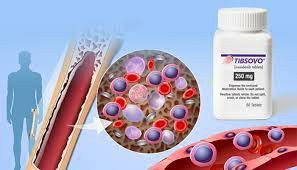
To sum up, as an innovative drug targeting specific cancer types, ivonib’s applicable population and usage methods need to strictly comply with medical instructions. When using ivonib, patients should maintain close communication with their doctors and receive regular medical evaluation to ensure the effectiveness and safety of the drug. There are currently different versions of this drug on sale, and patients should make their own choice.
What are the common side effects of ivonib and how to deal with them?
Avosidenib, a prescription drug targeting isocitrate dehydrogenase-1 (IDH1) mutations, has brought new treatment hope to many patients. However, like all medications, it may come with some side effects. It is important for patients to understand these side effects and how to manage them.
Common side effects of ivosidenib include irregular heartbeat, stomach pain or swelling, nausea, vomiting, loss of appetite, diarrhea, constipation, fever, fatigue, etc. Additionally, laboratory abnormalities such as low red blood cell or high white blood cell counts may occur, as well as symptoms such as cough, shortness of breath, mouth or throat pain, itching, abnormal liver function tests, muscle or joint pain, or swelling of the arms or legs.
In the face of these side effects, patients should first stay calm and communicate with their doctor in a timely manner. For irregular heartbeats, your doctor may recommend an electrocardiogram and adjust your medication dosage or give other treatments. Digestive system symptoms such as stomach pain, nausea, vomiting, and loss of appetite can be relieved by adjusting your diet and taking antacids or antiemetics. Diarrhea and constipation need to be treated through dietary adjustments or the use of antidiarrheal drugs and laxatives, depending on the specific situation.
Fever and fatigue are common side effects of many medications, and patients can find relief by resting, staying hydrated, and avoiding overexertion. For laboratory abnormalities, such as low red blood cells or high white blood cell counts, your doctor may recommend further testing and treatment.
Symptoms such as coughing, shortness of breath, and mouth or throat pain may require the use of cough suppressants, oral anti-inflammatories, or respiratory therapy. Itching and abnormal liver function tests require further evaluation by a doctor and appropriate treatment recommendations.
In short, it is very important for patients to understand the common side effects of ivonib and how to deal with them. When encountering side effects, patients should communicate with their doctors in a timely manner and follow the doctor's recommendations to ensure the safety and effectiveness of the treatment. Currently, there are different versions of Avonib sold. Patients should choose according to their needs, but they must purchase it through regular channels.
[ 免责声明 ] 本页面内容来自公开渠道(如FDA官网、Drugs官网、原研药厂官网等),仅供持有医疗专业资质的人员用于医学药学研究参考,不构成任何治疗建议或药品推荐。所涉药品可能未在中国大陆获批上市,不适用于中国境内销售和使用。如需治疗,请咨询正规医疗机构。本站不提供药品销售或代购服务。


