
.jpeg)
Analysis of the effectiveness and cure possibility of cabozantinib in the treatment of rectal cancer
Cabotinib, as a multi-target tyrosine kinase inhibitor(TKI), has shown certain effectiveness in the treatment of rectal cancer.
In a phase II clinical trial, cabozantinib demonstrated stable disease control in patients with refractory metastatic colorectal cancer. Among 44 evaluable patients, 18 achieved progression-free survival of 12 weeks, accounting for 45%.
In another phase IIII trial in patients with chemotherapy-refractory colorectal cancer, cabozantinib combined with durvalumab also showed meaningful anti-tumor activity and controllable toxicity. Among 31 evaluable patients, the objective response rate was 27.6%, the disease control rate was 86.2%, and the median progression-free survival was 3.7 months.
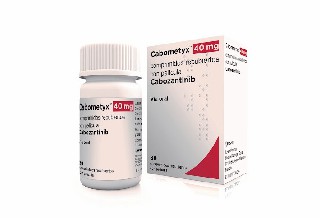
Caboozantinib targets angiogenesis by blocking the VEGF axis, which may provide additional survival benefit for patients with metastatic colorectal cancer. Its multi-target inhibitory properties allow it to simultaneously target multiple signaling pathways related to tumor growth and spread.
Although cabozantinib has shown significant effectiveness in the treatment of rectal cancer, it is not yet certain that it can completely cure rectal cancer. Clinical trial data focus primarily on disease stabilization and control rather than complete cure.
Curing rectal cancer is a complex process that involves the combined application of multiple treatments. Cabozantinib, as one of the treatments, can control disease progression to a certain extent and improve patients' quality of life.
It is worth noting that cabozantinib also shows certain toxicity during treatment, so it needs to be used under the guidance of a doctor and pay close attention to the patient's response.
[ 免责声明 ] 本页面内容来自公开渠道(如FDA官网、Drugs官网、原研药厂官网等),仅供持有医疗专业资质的人员用于医学药学研究参考,不构成任何治疗建议或药品推荐。所涉药品可能未在中国大陆获批上市,不适用于中国境内销售和使用。如需治疗,请咨询正规医疗机构。本站不提供药品销售或代购服务。


