
.jpeg)
Does cabozantinib have an effect on phosphocarcinoma?
Cabozantinib, as a broad-spectrum anticancer drug, has shown remarkable effects in the treatment of various cancers in recent years. Cabozantinib has also shown some therapeutic effect against phosphocarcinoma, that is, squamous cell carcinoma.
Cabozantinib exerts anti-cancer effects by inhibiting multiple receptor tyrosine kinases, such as MET, VEGFR, AXL, etc. These kinases play key roles in tumor growth, metastasis, and angiogenesis. Cabozantinib can inhibit the activity of these kinases at the same time, thereby blocking the signal transduction of tumor cells and inhibiting the growth and spread of tumors.
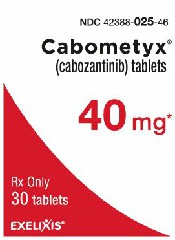
In clinical trials for recurrent or metastatic head and neck squamous cell carcinoma (R/M HNSCC), cabozantinib combined with pembrolizumab (an immunotherapy drug) has achieved remarkable results. This combination treatment not only improved the patient's objective response rate (ORR), but also prolonged the patient's progression-free survival (PFS) and overall survival (OS). Specifically, in a II phase clinical trial, the ORR of patients who received the combination therapy reached 54%, and the clinical benefit rate was as high as 91%. Additionally, patients' median PFS was 14.6 months, with a PFS rate of 1 year and a PFS rate of 54%
Although cabozantinib has shown significant efficacy in the treatment of squamous cell carcinoma, its safety is also an important factor to consider. Clinical trial data show that the adverse reactions of cabozantinib mainly include fatigue, hypertension, diarrhea, weight loss, etc. However, most of these adverse effects can be alleviated with appropriate medication adjustments and supportive care. Overall, patients tolerated cabozantinib well.
[ 免责声明 ] 本页面内容来自公开渠道(如FDA官网、Drugs官网、原研药厂官网等),仅供持有医疗专业资质的人员用于医学药学研究参考,不构成任何治疗建议或药品推荐。所涉药品可能未在中国大陆获批上市,不适用于中国境内销售和使用。如需治疗,请咨询正规医疗机构。本站不提供药品销售或代购服务。


