
.jpeg)
How the anti-cancer drug Serpatinib precisely attacks RET gene fusion cancers
Septinib, also known as serpatinib, is emerging in the anti-cancer field. As a cutting-edge targeted therapy drug, it specifically targets cancers carrying RET gene rearrangements, such as non-small cell lung cancer and thyroid cancer. Through its unique mechanism of action, it opens up new treatment avenues for cancer patients.
Seputinib's core efficacy stems from its role as a highly selective inhibitor ofRET kinase. It can accurately bind to RET kinase in cancer cells, effectively inhibit its activity, and then cut off the abnormal signal transmission chain of tumor cells. This precise attack strategy not only allows Seputinib to concentrate its firepower on cancer cells, but also minimizes damage to healthy cells.
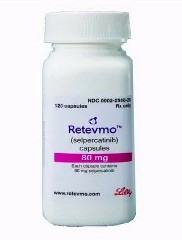
Recent clinical trial results fully demonstrate the remarkable efficacy of seputinib. Seputinib has shown impressive results in the treatment of patients with RET gene fusion-positive non-small cell lung cancer. According to relevant research reports, patients treated with seputinib achieved higher objective response rates (ORR) and survival rates in multiple trials. Taking the LIBRETTO-001 clinical trial as an example, seputinib achieved an impressive objective response rate of 82.6% in the treatment of RET fusion advanced non-small cell lung cancer. The patient's median progression-free survival was extended to 22 months. What is even more exciting is that the 3-year survival rate climbed to 65.6%. These compelling data fully demonstrate the potential of seputinib in the field of cancer treatment.
In addition to its excellent efficacy, seputinib also demonstrated a favorable safety profile. Although some patients may experience mild discomfort such as nausea and fatigue during medication, these symptoms are usually within control. The medical team will make personalized adjustments to the treatment plan based on the patient's actual response to ensure the safety and effectiveness of the entire treatment process.
In summary, seputinib is becoming a powerful player in the treatment of RET gene fusion cancers due to its precise role as RET kinase inhibitor. Its excellent therapeutic effect and reliable safety have undoubtedly brought new hope and dawn to many cancer patients.
[ 免责声明 ] 本页面内容来自公开渠道(如FDA官网、Drugs官网、原研药厂官网等),仅供持有医疗专业资质的人员用于医学药学研究参考,不构成任何治疗建议或药品推荐。所涉药品可能未在中国大陆获批上市,不适用于中国境内销售和使用。如需治疗,请咨询正规医疗机构。本站不提供药品销售或代购服务。


