
.jpeg)
Do I still need to continue using platinib after total thyroidectomy?
Although total thyroid cancer resection removes visible tumor tissue, it does not guarantee the complete removal of all cancer cells in the body. Therefore, adjuvant drug therapy is often needed after surgery to further control the disease and reduce the risk of recurrence and metastasis. Platinib, as a targeted drug targeting RET gene mutations, has an important therapeutic effect on thyroid cancer patients with this gene mutation.
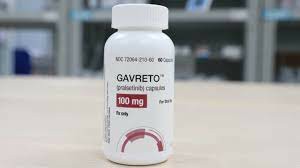
Platinib can highly selectively inhibit the activity of RET kinase, thereby blocking the growth and spread of cancer cells. In clinical trials, platinib has demonstrated significant efficacy against RET mutated thyroid cancer. For example, in some studies, more than 70% of patients treated with platinib had their tumors effectively controlled, or even experienced partial or complete remission. These data suggest that platinib has potential application value in the postoperative adjuvant treatment of thyroid cancer.
The decision to continue using platinib should first be based on the patient's genetic testing results. For patients with RET gene mutations, platinib may be an effective treatment option. The patient's postoperative recovery is also an important factor in deciding whether to continue using the drug. If the postoperative recovery is good and there are no obvious signs of recurrence, the doctor may adjust the treatment plan according to the specific situation.
Although platinib is effective, it may also cause some side effects, such as nausea and fatigue. Therefore, it is necessary to weigh the balance between its efficacy and side effects when using it to ensure that patients can tolerate the treatment.
[ 免责声明 ] 本页面内容来自公开渠道(如FDA官网、Drugs官网、原研药厂官网等),仅供持有医疗专业资质的人员用于医学药学研究参考,不构成任何治疗建议或药品推荐。所涉药品可能未在中国大陆获批上市,不适用于中国境内销售和使用。如需治疗,请咨询正规医疗机构。本站不提供药品销售或代购服务。


