
.jpeg)
Potential risks in treatment with septinib (serpatinib)
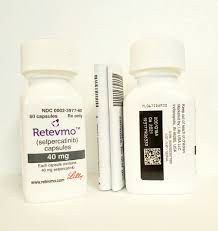
Sepretinib, also known as serpatinib, is a highly effective targeted therapy drug targeting RET gene fusions or mutations. It is widely used in the treatment of malignant tumors such as lung cancer and thyroid cancer. However, any powerful drug can come with a host of adverse effects. Understanding and recognizing the potential side effects of seputinib is critical for patient safety.
First of all, allergic reactions to seputinib require special vigilance. If patients develop symptoms such as skin rash, difficulty breathing, or swelling of the face, lips and tongue after using the drug, they should seek medical attention immediately.
Secondly, while taking seputinib, patients may experience some circulatory system discomfort, such as palpitations, tachycardia, or dizziness. These symptoms may be related to the effect of the drug on the cardiovascular system. Once they occur, you should communicate with your doctor in time.
In addition, seputinib may cause bleeding risks. Symptoms of abnormal bleeding include, but are not limited to, unexplained bruising, nosebleeds, bleeding gums, etc. Changes in the color of your urine, blood in your stool, or coughing up blood may also be signs of internal bleeding. Patients should pay attention to these symptoms and report them to the doctor in time.
During anti-tumor treatment, because tumor cells are destroyed by drugs, patients may experience a series of systemic symptoms, such as fatigue, muscle spasms, nausea, vomiting, etc. Although these symptoms are common, they require a doctor's attention and appropriate treatment.
Seputinib may also affect thyroid function, causing symptoms of hypothyroidism, such as fatigue, depression, and dry skin. At the same time, the respiratory system and liver function may also be affected to a certain extent, manifesting as dyspnea, cough, right upper quadrant pain and other symptoms.
In addition to the more serious side effects mentioned above, seputinib may also cause some mild discomfort, such as headache, bone or muscle pain, nausea, vomiting, etc. Although these symptoms usually do not pose a direct threat to the patient's life safety, they still require prompt attention and treatment.
In particular, seputinib may increase the risk of heart problems. The risk may be higher in patients taking other medications concurrently. Therefore, patients should pay close attention to heart-related symptoms during medication and provide timely feedback to their doctors.
Seputinib is now available in China, but has not yet been included in medical insurance reimbursement. Currently, each box of Seputinib on the domestic market contains 56 capsules of 80mg, priced at about 15,000 yuan. As far as we know, there are both the original drug of Seputinib and its generic drugs on the overseas market. It is worth noting that the original version of seputinib is expensive overseas. If patients need it, they can purchase it directly through domestic hospital pharmacies. In addition, a generic version of Seputinib has been sold in Laos, with a specification of 40mg and 120 tablets. The price is relatively low, only more than 4,000 yuan. If you have more questions about Seputinib, it is recommended to consult a professional overseas medical consultant.
In general, although seputinib has shown significant efficacy in fighting malignant tumors, patients still need to pay close attention to various possible side effects during use. Through close communication and cooperation with doctors, these potential risks can be discovered and dealt with in a timely manner, ensuring the safety and effectiveness of treatment.
[ 免责声明 ] 本页面内容来自公开渠道(如FDA官网、Drugs官网、原研药厂官网等),仅供持有医疗专业资质的人员用于医学药学研究参考,不构成任何治疗建议或药品推荐。所涉药品可能未在中国大陆获批上市,不适用于中国境内销售和使用。如需治疗,请咨询正规医疗机构。本站不提供药品销售或代购服务。


