
.jpeg)
Jisandai (Bingtonsha) Medication Guide: Must-Read Precautions for Patients
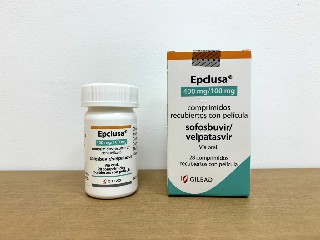
Epclusa (Epclusa), as a broad-spectrum antiviral drug against hepatitis C virus (HCV) infection, its significant efficacy and wide applicability have brought hope to many patients. However, in order to ensure the safety and effectiveness of the treatment, patients still need to pay attention to some key matters when using GISANDA (Bingtonsha).
1.Strictly observe the medication time and do not miss a dose
The standard dosage of GISANDA is one tablet per day, each tablet contains 400 mg of Sofosbuvir and 100 mg of Velpatasvir. In order to keep the drug concentration in the body stable, patients should try to take the drug at the same time every day. If you accidentally miss a dose, you should take it as soon as possible; but if it is close to the next dose time, you do not need to take it again, just continue as planned. Remember, never double your dose to make up for a missed dose.
2.Avoid taking with certain medications or foods
Jisandai (Bingtongsha) may interact with certain drugs, thereby reducing its efficacy or increasing the risk of side effects. Medications and foods that require special attention include:
Antacids containing aluminum, magnesium or calcium: may affect the absorption ofBingtonsa . It is recommended to avoid taking Bingtonsa within four hours of taking antacids.
St. John's Wort: This herbal supplement may significantly reduce the effectiveness of Bitronsa and should be avoided when used with Bingtonate .
Other drugs: For example, certain anti-epileptic drugs (such as carbamazepine, phenytoin) and rifampin may interact with Gytrix (bentonsa). Be sure to tell your doctor about all the medications you are taking before taking them.
3.Perform regular viral load testing
During treatment, patients should conduct regular viral load tests as recommended by their doctors to evaluate the effect of treatment. A sustained decrease or eventual undetectability of viral load usually indicates that treatment is effective. However, patients should continue to complete the entire course of treatment even if they test negative for the virus.
4.Pay close attention to side effects
Although the side effects of Jisandai (Bingtonsa) are usually mild, some patients may experience uncomfortable symptoms such as headache, fatigue, and nausea. Most side effects will gradually resolve as treatment progresses. However, if severe or persistent symptoms occur, you should contact your doctor promptly. Especially patients treated with ribavirin may experience more side effects, such as anemia, rash, etc., which need to be managed under the guidance of a doctor.
5.Stay away from alcohol and drugs
People with hepatitis C should avoid drinking alcohol altogether, as alcohol can worsen liver damage and affect the effectiveness of treatment. Additionally, people who inject drugs should seek help to quit to avoid reinfection with HCVand other blood-borne diseases.
6.Medicine precautions for special groups
Patients with liver cirrhosis: Patients with compensated cirrhosis can usually take it alone Protonsa , but patients with decompensated cirrhosis may need to use it in combination with ribavirin and strictly monitor liver function during treatment.
Patients with Renal Impairment: Patients with mild or moderate renal impairment generally do not require dose adjustment of Bingtonsa. However, patients with severe renal insufficiency or end-stage renal disease should use it under close supervision by a physician.
Pregnant and lactating women: There is currently insufficient research data to show the safety of Jisandai (Bingtonsha) for pregnant or lactating women. Therefore, such patients should use medication with caution under the evaluation and guidance of a doctor.
7.Complete the entire course of treatment
Even if they feel significantly better in the middle of treatment, or even if the virus test results show negative, patients should continue to complete the entire 12 week treatment course. Stopping treatment early may result in incomplete clearance of the virus, increasing the risk of recurrence.
8.Regular follow-up
After completing treatment, patients should continue to maintain contact with their doctors and conduct necessary follow-up examinations. Especially for those at risk for cirrhosis or other liver disease, these follow-up visits can help monitor the patient's long-term health and identify and treat any underlying health issues promptly.
In short, Jisandai (Bingtonsha) is a highly effective drug for the treatment of hepatitis C. However, its successful treatment depends on patients strictly following medical instructions, taking medications on time, and paying attention to drug interactions and side effects. By paying attention to these medication precautions, patients can maximize the benefits from treatment and achieve a complete cure for hepatitis C.
[ 免责声明 ] 本页面内容来自公开渠道(如FDA官网、Drugs官网、原研药厂官网等),仅供持有医疗专业资质的人员用于医学药学研究参考,不构成任何治疗建议或药品推荐。所涉药品可能未在中国大陆获批上市,不适用于中国境内销售和使用。如需治疗,请咨询正规医疗机构。本站不提供药品销售或代购服务。


